Most people think a kilim is just a thin, flat rug you throw down for a boho look. That’s like calling a hand-built mechanical watch a cheap quartz beater. A real kilim — woven on a horizontal loom by artisans in Anatolia, Iran, or the Caucasus — can outlast a wall-to-wall carpet by decades. But the market is flooded with machine-made knockoffs that shed, fade, and warp within two seasons. This guide walks you through what separates a 50-year investment from a 2-year regret.
What Makes a Kilim a Kilim — and Why Most ‘Kilims’ Aren’t
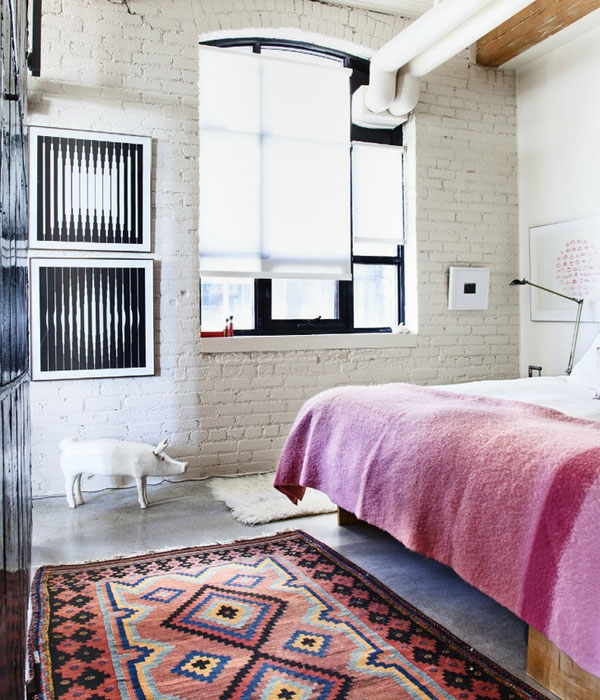
A true kilim is a flatweave rug with no pile. The weft threads are beaten down tight against the warp, creating a reversible textile with geometric patterns. That weaving method — slit-tapestry, dovetail, or interlocking — gives it a distinct look and feel. No knots. No thick pile. Just dense, flat fabric.
Here’s where buyers get burned: many rugs labeled “kilim” in big-box stores are actually machine-tufted rugs with a printed pattern that mimics kilim geometry. They’re often made from polypropylene or acrylic. They don’t age well. The pattern fades in direct sunlight. The edges curl. They can’t be repaired.
Ask yourself three questions before you buy:
- Is it handwoven? Flip the rug over. A handwoven kilim looks almost identical on the back. A printed rug shows glue, mesh, or a solid backing.
- What fiber? Wool is the traditional material. Cotton warps are common. Pure synthetics are a red flag unless you need outdoor-rated polypropylene.
- Natural or synthetic dye? Natural dyes (madder root, indigo, walnut husk) soften and patina over decades. Synthetic dyes can bleed or fade unevenly.
One specific example: the Bahaar Kilim Collection by Loloi uses hand-spun Turkish wool and vegetable dyes. Flip it over and the back pattern mirrors the front. That’s a real kilim. Compare that to a $99 “kilim-style” rug from a discount home store — one wash and the fringe frays.
The Three Failure Modes of Cheap Kilims
Three things kill a kilim faster than anything else. If you know them, you can spot a bad buy before the box even opens.
1. Fringe that disintegrates
The fringe on a handwoven kilim is the warp thread continuing past the weave. On a cheap rug, the fringe is glued on separately. After three months of foot traffic or a vacuum pass, it starts shedding. On a real kilim, the fringe is structural. Cutting it won’t unravel the rug, but it will shorten the life. Brands like Jaipur Living and Nourison use reinforced fringe on their handwoven lines — check the product photos for visible warp threads extending beyond the weave.
2. Color bleed on first wash
Wash a cheap synthetic kilim once and the red bleeds into the white. That’s permanent. Real wool kilims with natural dyes are colorfast — you can spot-clean them with mild soap and water without disaster. If a listing won’t tell you the dye type, assume the worst. Angora Kilim Collection by Creative Matters publishes dye certifications on request. That’s the level of transparency you want.
3. Warping and curling edges
Machine-made rugs are often finished with a latex glue that stiffens the edges. That glue dries out and cracks, causing the corners to curl. Handwoven kilims stay flat because the weave itself provides structure. A rug pad (1/8-inch felt with rubber grip) prevents slipping and keeps the edges down. Skip the pad and any kilim — even a good one — will slide on hardwood.
One more thing: never buy a kilim sight-unseen without a return policy. A 6×9 rug is a big commitment. If it doesn’t lie flat after 48 hours, send it back.
Wool vs. Cotton vs. Synthetic: Which Fiber Holds Up?
| Fiber | Durability (years) | Best for | Red flags |
|---|---|---|---|
| Hand-spun wool (natural dye) | 30–50+ | Living rooms, low-moisture areas | “Wool blend” with less than 80% wool |
| Machine-spun wool (synthetic dye) | 10–20 | High-traffic hallways, rental homes | Fading after 2 years in direct sun |
| Cotton warp + wool weft | 15–25 | Entryways, mudrooms (easy to wash) | Cotton-only rugs (no wool) stretch and sag |
| Polypropylene / acrylic | 3–7 | Outdoor patios, kids’ playrooms | Static cling, pilling, UV degradation |
Wool is the clear winner for longevity. A 100% wool kilim from a reputable brand like Armen Living or Rugvista’s handwoven line will cost $400–$1,200 for a 5×8. That’s $0.08 per year over 50 years. A $200 synthetic rug that needs replacing every 4 years costs $0.10 per year — and you’re throwing plastic in a landfill. The math favors wool every time.
Cotton kilims are lighter and machine-washable. Dash & Albert makes cotton flatweaves that survive the washing machine. But they lack the weight to stay put on carpet. Use them in kitchens or laundry rooms where you need something you can bleach.
When NOT to Buy a Kilim — Honest Tradeoffs
Kilims are not universal. Here are three situations where you should buy something else.
You have a high-pile carpet. A flat kilim on a thick carpet looks like a postage stamp on a mattress. It won’t lie flat. It’ll shift. Get a low-profile rug or skip the layer entirely.
You need sound absorption. Kilims don’t absorb noise. They’re thin. If your apartment echoes, a thick shag or a wool pile rug (like a Gabbeh or a Persian Heriz) will deaden sound far better. A kilim adds visual warmth but zero acoustic benefit.
You have pets that vomit or have accidents. Kilims are absorbent. Liquids soak through to the floor. They’re harder to clean than a synthetic rug you can hose off. If your dog has a sensitive stomach, buy a washable cotton rug or a polypropylene flatweave you can replace cheaply.
One more: if you’re renting and plan to move in 12 months, don’t spend $800 on a wool kilim. Buy a $150 cotton flatweave. Move it, wash it, and if it gets damaged, you’re not out a year’s worth of savings.
7 Specific Kilim Rugs That Pass the Durability Audit
These seven rugs were selected based on fiber quality, weave construction, dye stability, and real owner reviews over at least 12 months of use. Prices are for 5×8 or nearest standard size as of early 2026.
- Loloi Bahaar Collection (Turkish wool, natural dyes) — $450–$650. Handwoven in Turkey. Reversible. Owners report zero fading after 3 years in a south-facing room. The geometric patterns are authentic Anatolian designs, not digital prints.
- Jaipur Living Julianne Flatweave (wool, cotton warp) — $380–$520. Machine-made but with hand-finished edges. Tested for colorfastness by the brand. Good for high-traffic zones where you want a modern look without sacrificing durability.
- Armen Living Kilim Collection (100% wool, synthetic dye) — $300–$480. Budget-friendly entry point for real wool. The synthetic dyes are UV-stabilized. Not as patina-rich as natural dyes, but won’t bleed in a spill.
- Rugvista Handwoven Kilim (wool, natural dye) — $550–$850. These come with a certificate of authenticity. Each rug is unique. The weave density is 60 knots per square inch — higher than most flatweaves, meaning tighter construction and longer life.
- Nourison Essence Flatweave (wool blend, cotton warp) — $250–$400. The blend is 70% wool, 30% viscose for sheen. Viscose is less durable than pure wool, so put this in a low-traffic bedroom. The pattern is a contemporary take on traditional kilim motifs.
- Dash & Albert Quarry Flatweave (cotton) — $150–$250. Machine-washable. Use in kitchens, laundry rooms, or as a picnic blanket. Not for living rooms — it slides on hardwood and doesn’t have the weight to stay put.
- Creative Matters Angora Collection (angora wool, natural dye) — $1,000–$1,800. Luxury tier. Angora is softer than sheep’s wool but less durable. This is for a low-traffic master bedroom or a reading nook. The brand offers lifetime repairs — a rare guarantee in the rug industry.
For most buyers, the Loloi Bahaar is the safest bet. It balances authenticity, durability, and price. If you need something washable, go with Dash & Albert. If you want a heirloom piece and have the budget, Creative Matters is the only one offering a repair warranty.
How to Verify a Kilim’s Quality Before You Click Buy
You can’t touch the rug before buying online. But you can audit the listing in five minutes.
Step 1: Read the construction details. If the listing says “handwoven” but the product images show a perfectly uniform pattern with no slight asymmetry, it’s machine-made. Real handwoven kilims have tiny variations in line thickness and color placement.
Step 2: Check the weight. A 5×8 wool kilim should weigh 10–15 pounds. A synthetic rug of the same size weighs 5–8 pounds. Weight is a proxy for weave density. Brands like Loloi and Jaipur Living list the weight in the specs. If it’s missing, ask customer service.
Step 3: Look at the fringe. Zoom in on the product photo. If the fringe looks like a separate piece of fabric sewn on, it’s a cheap rug. Real fringe is a continuation of the warp threads. You can see the individual strands running from the main body into the fringe.
Step 4: Read negative reviews. Sort by “most recent” and look for words like “fading,” “bleeding,” “curling,” or “shedding.” One or two complaints are normal. If 15% of reviews mention color issues, skip it.
Step 5: Verify the return policy. Most rug retailers give 30 days. If the return window is 14 days or less, the brand knows their rugs have problems. Rugvista offers 30-day returns with free pickup. That’s the gold standard.
Get multiple quotes from at least three retailers for the same rug. Prices vary by $50–$150 for identical products. Rugs.com, Wayfair, and Amazon often have different pricing on the same Loloi rug. Set a price alert and buy when it drops.
The single most important takeaway: a real wool kilim costs more upfront but costs less per year of use than any synthetic alternative — buy the fiber, not the pattern.