Picture this: you’re standing in the cleaning aisle, staring at a wall of vacuum cleaners. Dyson, Shark, Henry, Vax, Miele – the brands blur into a confusing mess of features and price tags. Your old vacuum just died, or maybe it’s simply not cutting it anymore. You need something effective, reliable, and suited to *your* home, but how do you cut through the marketing noise and find the right one?
The solution isn’t just buying the most expensive option. It’s understanding your specific cleaning challenges and matching them with a brand’s strengths. We’ll break down the top UK vacuum cleaner brands for 2026, offering clear recommendations to help you make the best decision for a cleaner home.
The UK Homeowner’s Vacuum Challenge: Too Many Choices, Not Enough Clean
Choosing a new vacuum cleaner feels surprisingly complex. The market is saturated with options, each promising revolutionary suction, unparalleled battery life, or silent operation. This abundance, while seemingly beneficial, often leads to decision fatigue. Homeowners frequently make impulse buys based on a single feature, only to find the vacuum isn’t suitable for their actual living situation.
For example, a sleek cordless stick might be great for quick tidy-ups but fall short on deep cleaning thick carpets with pet hair. Conversely, a powerful upright might excel on carpets but struggle with hard-to-reach areas or delicate hard floors. The challenge isn’t finding a vacuum, but finding the right vacuum that addresses your unique cleaning needs without overspending or underperforming.
Identifying Your Cleaning Needs
Before you even look at brands, pinpoint what you actually need. Do you live in a small flat with mostly hard floors, or a large house with multiple carpeted rooms? Is pet hair a constant battle? Do you suffer from allergies, requiring advanced filtration? Thinking through these questions will narrow down your search considerably. Consider the size of your home, the types of flooring (hardwood, laminate, tile, short-pile carpet, deep-pile carpet), and any specific issues like stairs, upholstery, or car cleaning.
Common Vacuum Frustrations
Many people replace their vacuums due to common frustrations. These often include poor suction that leaves dirt behind, short battery life that doesn’t cover the whole house, heavy designs that are difficult to maneuver, or loud motors that make cleaning a chore. Filter maintenance can also be a pain, especially if it requires frequent washing or expensive replacements. Understanding these pain points from your previous experiences helps you prioritize features for your next purchase, ensuring you don’t repeat the same mistakes.
Understanding Vacuum Types: Upright, Cylinder, Cordless, and Robot
Before diving into specific brands, it’s crucial to understand the main types of vacuum cleaners available. Each design serves different purposes and excels in particular environments. Knowing these distinctions will significantly help you narrow down which brands and models to even consider.
Upright Vacuums: Power for Carpets
Upright vacuums are the traditional workhorses, instantly recognizable by their single-piece design that stands vertically. They are particularly effective on carpets, using a rotating brush bar to agitate fibres and lift embedded dirt and pet hair. Many models offer adjustable brush heights to accommodate different carpet pile lengths or can switch off the brush for hard floors. They typically have larger dust capacities, meaning fewer trips to the bin, and often boast stronger suction power due to being mains-powered. However, their bulkier design can make them less agile for stairs, under furniture, or tight spaces. They’re also generally heavier, which can be a consideration for multi-storey homes or users with mobility concerns. Expect these to weigh between 6-9 kg.
Cylinder Vacuums: Maneuverability for Hard Floors
Cylinder vacuums, sometimes called canister vacuums, separate the motor and dustbin into a wheeled unit, connected to a cleaning head by a flexible hose and wand. This design offers superior maneuverability, making them excellent for navigating around furniture, cleaning stairs with ease, and reaching high places with attachments. They are often preferred for homes with predominantly hard floors, as their soft brush heads are gentler and less likely to scratch surfaces than some upright brush bars. Cylinder models tend to be lighter than uprights, typically ranging from 4-7 kg for the main unit, and generally quieter. Their main drawback is the need to pull the unit behind you, which can be cumbersome in very large, cluttered spaces, and storage can be slightly more awkward due to the separate components.
Cordless Sticks: The Modern Convenience
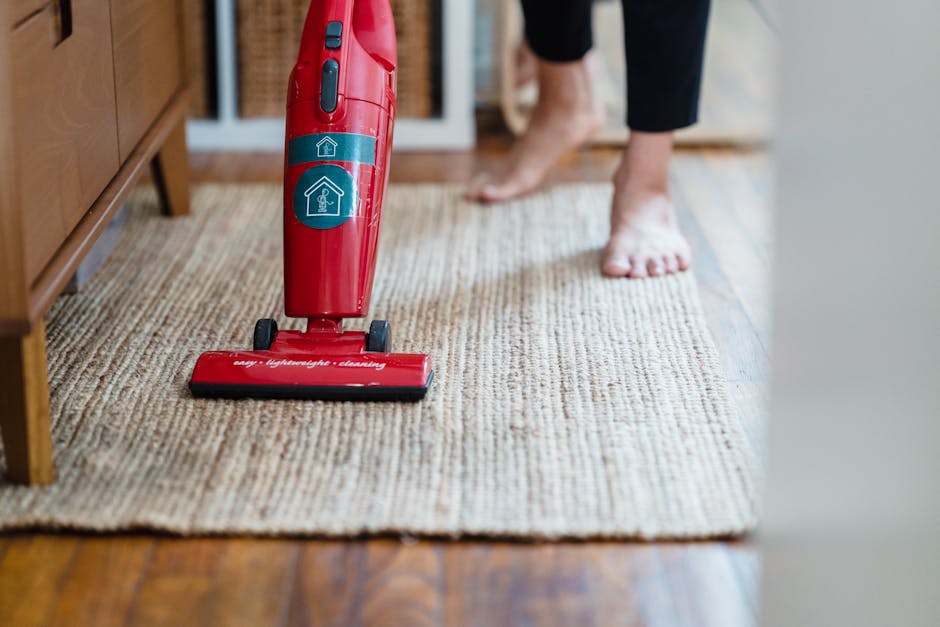
Cordless stick vacuums have revolutionized quick cleaning and convenience. Lightweight (often 2-4 kg), slim, and battery-powered, they offer unparalleled freedom from power outlets. They’re ideal for daily tidy-ups, homes with mixed flooring, and reaching awkward spots like car interiors or ceiling cobwebs. Many models convert into handheld units for even greater versatility. However, their primary limitation is battery life, typically ranging from 20-60 minutes on a single charge, which might not be enough for a full deep clean of a large home. Dustbin capacities are also smaller, requiring more frequent emptying. While suction power has improved dramatically, they might not always match the sustained power of a corded upright for very deep carpet cleaning. Pricing varies wildly, from budget options around £100 to premium models exceeding £700.
Robotic Cleaners: Set and Forget
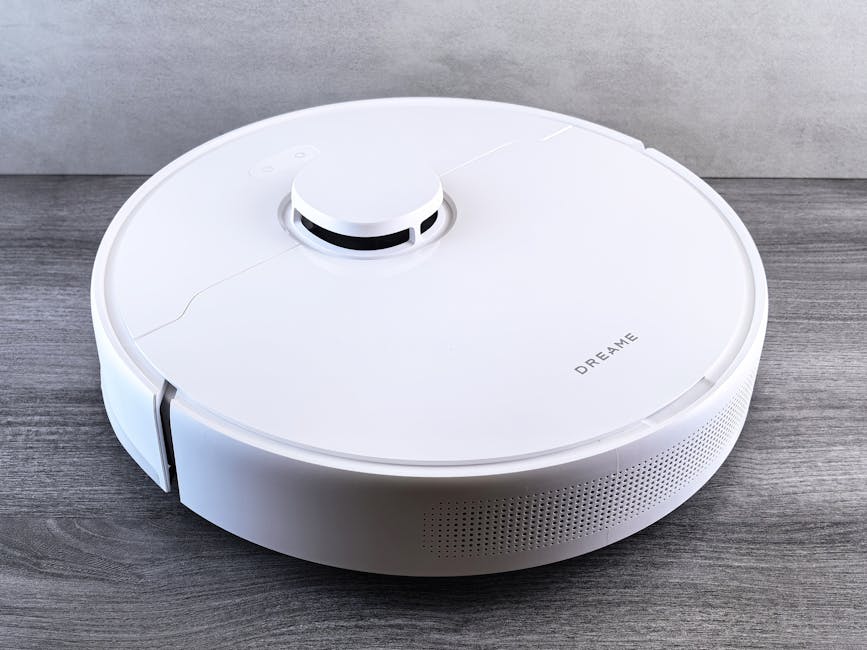
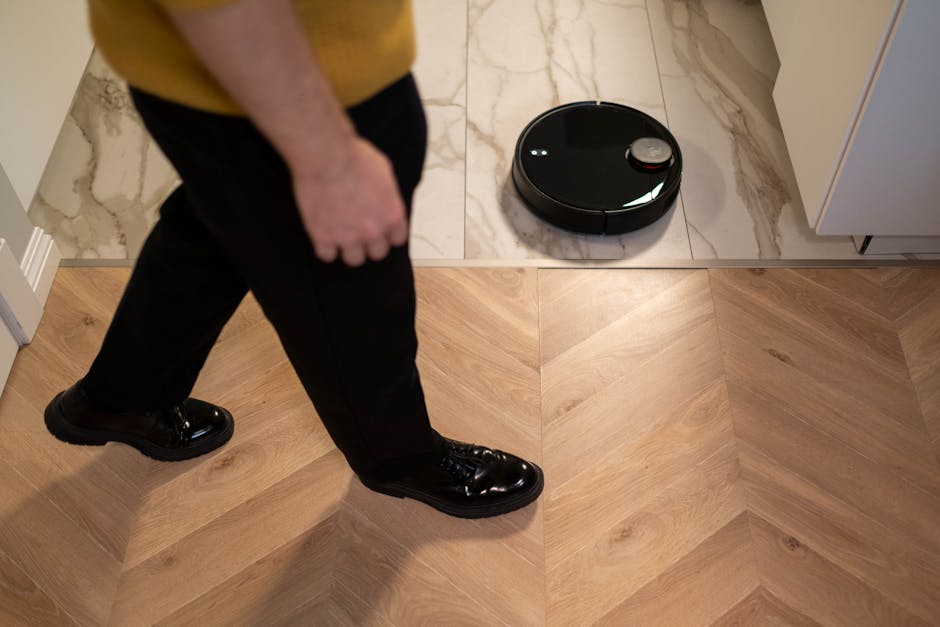
Robotic vacuums are the ultimate in hands-free cleaning. These autonomous devices navigate your home, systematically cleaning floors with minimal intervention. Ideal for maintaining cleanliness between deeper cleans, they are perfect for busy individuals or those with mobility issues. Many models offer app control, scheduling, and smart mapping features to avoid obstacles and efficiently cover rooms. They excel on hard floors and low-pile carpets, effectively picking up dust, pet hair, and small debris. The downsides include their relatively high upfront cost (often £200-£1000+), smaller dustbins, and the fact they can sometimes struggle with stairs or very thick carpets. They are a supplementary cleaning tool, not a full replacement for a traditional vacuum, but invaluable for daily maintenance.
Key Features to Prioritise: Suction, Filtration, and Noise Levels
When comparing vacuum cleaners, it’s easy to get lost in a sea of specifications. Focusing on these three critical features will help ensure you pick a machine that truly performs.
- Suction Power: Measured in Air Watts or Pascal (Pa)
Forget generic claims of “powerful suction.” Look for actual metrics. For corded vacuums, suction is often measured in Air Watts (AW). A good upright or cylinder vacuum typically offers between 150-250 AW. For cordless models, especially stick vacuums, you might see figures in Pascals (Pa), ranging from 15,000 Pa to over 25,000 Pa for high-end models. Higher numbers generally mean better dirt pickup, particularly on carpets and for heavier debris. Be aware that maximum suction often depletes battery life quickly on cordless models.
- Filtration System: Essential for Allergy Sufferers
A robust filtration system is non-negotiable, especially if anyone in your household suffers from allergies, asthma, or simply wants cleaner air. Look for models boasting a HEPA filter (High-Efficiency Particulate Air). These filters are designed to capture 99.97% of airborne particles as small as 0.3 microns, including pollen, pet dander, dust mites, and mould spores. Some vacuums feature multi-stage filtration, with pre-filters protecting the HEPA filter and extending its life. Ensure the entire vacuum is a ‘sealed system’ so that no dust can escape around the filter housing.
- Noise Levels: Decibels (dB) Matter
Vacuum cleaners can be surprisingly loud. If you live in a flat, have young children, pets, or simply prefer a quieter cleaning experience, check the decibel (dB) rating. Most vacuums operate between 70-80 dB, which is comparable to a loud conversation or a washing machine. Quieter models can dip into the 60-70 dB range, making a noticeable difference to your ears. While ultra-quiet models might sometimes compromise slightly on raw power, technological advancements mean many powerful vacuums now offer respectable noise levels. For reference, 60 dB is a normal conversation, 80 dB is a ringing telephone.
The Top UK Vacuum Brands for 2026: Our Picks
When it comes to vacuum cleaners in the UK, a few brands consistently stand out for their innovation, reliability, and performance. Our top picks for 2026 focus on different strengths, ensuring there’s a recommendation for every type of home and budget.
For sheer innovation and cutting-edge performance, Dyson remains king. However, for versatility and targeted pet hair removal at a slightly more accessible price point, Shark is our top recommendation. For robust, no-nonsense reliability and incredible value, you simply can’t beat a Henry Hoover.
Dyson: Innovation and Power
Dyson has redefined vacuuming with its cyclonic technology and relentless pursuit of innovation. Their cordless stick vacuums, like the Dyson V15 Detect Absolute (around £600-£700), are benchmarks for suction, filtration, and smart features. The V15 Detect, for instance, includes a laser detection head to reveal hidden dust and a piezo sensor to count and size dust particles, displaying the results on an LCD screen. It delivers up to 240 AW of suction and runs for up to 60 minutes. Dyson’s uprights, such as the Dyson Ball Animal 3 Extra (approx. £350-£450), are engineered for deep carpet cleaning and pet hair, with powerful Radial Root Cyclone technology and whole-machine HEPA filtration. While Dyson products come at a premium, their build quality, advanced features, and strong performance often justify the investment for those seeking the best technology.
Shark: Versatility and Pet Hair
Shark has carved out a significant market share by offering innovative features and strong performance at competitive prices. They are particularly renowned for their anti-hair wrap technology (often called ‘Anti Hair Wrap’ or ‘PowerFins’) which prevents hair from tangling around the brush bar, a godsend for pet owners. The Shark Stratos Anti Hair Wrap Plus Pet Pro IZ400UKT (around £400-£500) is a top cordless pick, offering up to 90 minutes run time (in ECO mode), Odour Neutraliser Technology, and Flexology for easy under-furniture cleaning. For uprights, the Shark Anti Hair Wrap Upright Vacuum Cleaner NZ860UKT (approx. £280-£350) combines powerful suction with Lift-Away technology, allowing the canister to detach for portable cleaning of stairs and upholstery. Shark vacuums offer excellent value, bridging the gap between budget and premium brands with smart design choices.
Henry Hoover: Reliability and Value
The iconic Henry Hoover (from Numatic International) is a household name in the UK for a reason. Henry and his colourful friends (Hetty, Harry, Charles) are known for their incredibly robust build quality, simple operation, and powerful, consistent suction. The classic Henry HVR 200 (typically £140-£180) is a no-frills, corded cylinder vacuum with a huge 9-litre dust capacity, making it perfect for larger homes, workshops, or even commercial use. While it lacks the fancy tech of Dyson or Shark, its durable design means it lasts for years, often surviving drops and heavy use that would destroy other vacuums. Henry vacuums are easy to maintain, with readily available and affordable bags. For sheer reliability and value, especially for homes that need a sturdy, long-lasting cleaner, Henry remains an unbeatable choice.
UK Vacuum Brand Showdown: Key Specs and Prices (2026)
Comparing the top brands side-by-side reveals their core strengths. This table highlights key specifications for popular models in 2026, giving you a clear picture of what each offers.
| Brand & Model | Type | Key Feature | Max Suction (AW/Pa) | Run Time (Mins) | Dust Capacity | Weight (approx.) | Price Range (2026) |
|---|---|---|---|---|---|---|---|
| Dyson V15 Detect Absolute | Cordless Stick | Laser detection, Piezo sensor | 240 AW | 60 | 0.77 L | 3.1 kg | £600 – £700 |
| Shark Stratos IZ400UKT | Cordless Stick | Anti Hair Wrap, Odour Neutraliser | ~200 AW | 90 (Eco mode) | 0.7 L | 3.2 kg | £400 – £500 |
| Henry HVR 200 | Corded Cylinder | Extreme durability, Large capacity | Not specified (strong) | N/A (corded) | 9 L | 7.5 kg | £140 – £180 |
| Vax Blade 5 Dual Pet & Car | Cordless Stick | Antimicrobial protection, Dual battery | ~185 AW | 90 (2×45 min) | 0.7 L | 3.1 kg | £350 – £450 |
| Miele Complete C3 Cat & Dog | Corded Cylinder | HEPA filter, Turbo brush | 2000W (motor) | N/A (corded) | 4.5 L | 8.2 kg | £300 – £400 |
As you can see, the choice often boils down to budget and specific needs. Dyson offers the latest tech at the highest price. Shark provides a strong all-rounder with excellent pet features. Henry is the unbeatable budget and durability champion. Vax offers solid cordless performance with dual batteries. Miele excels in powerful, traditional cleaning with superior filtration.
Maintaining Your Vacuum: Tips for Longevity and Peak Performance
Even the best vacuum cleaner will underperform if not properly maintained. Regular care extends its lifespan, keeps suction strong, and ensures cleaner air in your home. These simple steps can make a huge difference.
How Often Should I Clean My Vacuum Filter?
This is crucial. For bagless vacuums, most manufacturers recommend cleaning washable filters every 4-6 weeks, or more frequently if you have pets or use your vacuum heavily. Check your specific model’s manual for precise instructions. Some filters can be rinsed under cold water and must be completely dry before reinserting (allow 24-48 hours). Non-washable filters usually need replacing every 6-12 months. A clogged filter severely restricts airflow, drastically reducing suction power and putting strain on the motor.
What’s the Best Way to Unclog a Vacuum?
Loss of suction often points to a clog. First, unplug the vacuum. Check the dustbin/bag for overfilling. Next, inspect the hose for blockages – a broom handle or a long stick can help dislodge debris. Remove the brush bar (if applicable) and clear any tangled hair or fibres. Some vacuums have access points or removable sections designed for easy clog removal. Be thorough, checking all attachments and tubes. Never use sharp objects that could pierce the hose or internal components.
When Is It Time to Replace My Vacuum?
A good vacuum should last 5-10 years, depending on the brand and usage. Signs it’s time for a replacement include a significant and persistent drop in suction despite cleaning filters and clearing clogs, a burning smell from the motor, excessive noise, or frequent breakdowns that cost more to repair than a new unit. If replacement parts become hard to find or expensive, it’s usually more economical to invest in a new, more efficient model that benefits from modern technology.
Finding Your Perfect Match: A Quick Decision Guide
Choosing the best vacuum cleaner brand in the UK boils down to your personal priorities. If cutting-edge technology and powerful cordless performance are non-negotiable, Dyson is your top choice. For pet owners needing versatile, anti-tangle solutions without breaking the bank, Shark offers exceptional value. When durability, a huge capacity, and consistent, no-fuss cleaning are what you need, the classic Henry Hoover remains an unbeatable option. Consider your home’s size, flooring types, and specific challenges like pet hair or allergies, then match these against the strengths of these leading brands.