
Is your garage actually working for you, or is it a room-sized junk drawer with a car squeezed in at one end?
Most garage reorganization projects fail before they start. People buy a wall of plastic bins, push everything around for a weekend, and end up with slightly tidier chaos. Six months later, the floor is covered again and nothing has a real home.
The reason is always the same: storage products don’t create organization. Systems do. Systems start with a zone map — not a shopping cart.
Zone Your Space Before You Spend a Dollar
The most expensive mistake in any garage overhaul is reaching for storage products before understanding how the space gets used. Zoning fixes this. It means dividing your garage into dedicated areas by function — tools here, sports equipment there, seasonal items somewhere specific — so every object has a logical home it returns to, not just a pile it lives near.
Zones aren’t complicated. You don’t need software or a professional organizer. Walk your garage and ask three questions: what do I use every week, what do I use a few times a year, and what’s in here because I don’t know where else to put it? Those answers become your zone map.
The Four Core Zones Most Garages Need
- Active Use Zone: Items accessed multiple times per week — bikes, sports bags, regularly used hand tools. Lives near the entry door or at arm-height on a wall system. This zone needs to be the fastest to reach.
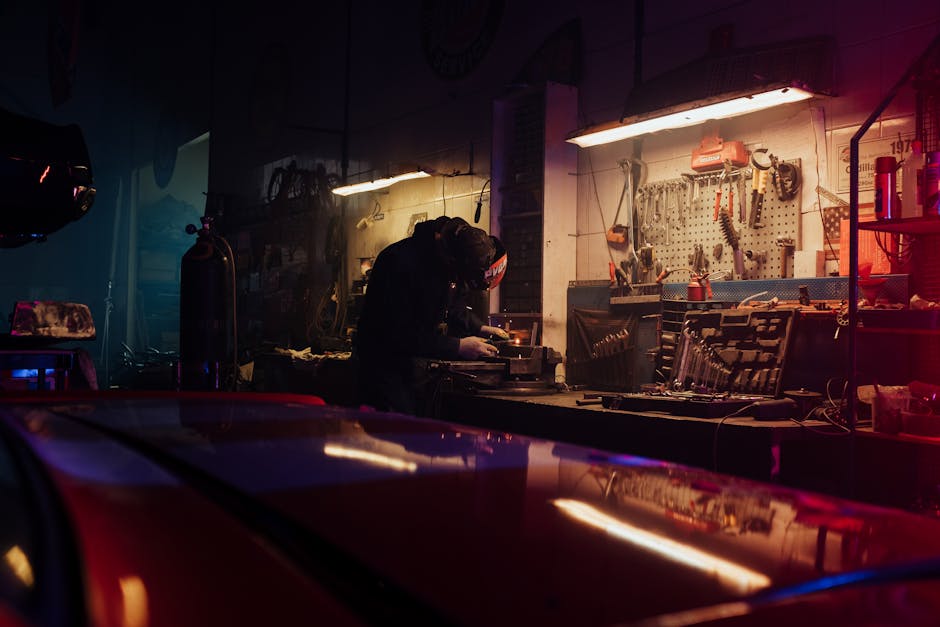
- Project Zone: Workbench, power tools, hardware bins. Needs a flat work surface, overhead or task lighting, and electrical access. Usually takes one full wall.
- Seasonal Storage Zone: Holiday boxes, camping gear, seasonal decorations. Accessed fewer than six times a year. This is the only category that genuinely belongs overhead or in back corners.
- Household Overflow Zone: Bulk pantry items, extra cleaning supplies, paper goods. Needs open shelving at eye or waist height — not bins stacked on the floor where you can never find what you need.
How to Map Your Garage in 15 Minutes
Grab a tape measure. Write down the length of each wall and mark where the garage door tracks run, where the entry door swings open, and where electrical outlets sit. These are your hard constraints. No shelving unit can block a door swing. No rail system can span a ceiling track.
Standard single-car garages run roughly 10 by 20 feet. Double garages are typically 20 by 20. Knowing your wall lengths tells you exactly how many linear feet of shelving you can install, which prevents the most common hardware store mistake: buying a 72-inch unit for a 58-inch wall space.
Sketch where natural light enters. Project zones benefit from it. Seasonal storage zones don’t need it. And — critically — decide what you’re discarding before you assign zones. You cannot organize clutter. Items untouched for two or more years should leave the garage entirely. Decluttering alongside organizing typically cuts storage requirements by 20 to 30 percent, which often means you need far less shelving than you think.
Wall Rail Systems: What Holds Weight and What Pulls Free

Wall-mounted rail systems are the functional backbone of any organized garage. They remove gear from the floor, put dead vertical space to work, and let you reconfigure storage as your needs change. The difference between a good system and a bad one is anchor capacity and hook variety — not brand prestige or visual appeal.
| System | Price (starter kit) | Weight Capacity | Best For | Verdict |
|---|---|---|---|---|
| Rubbermaid FastTrack Rail System | $50–$80 | 1,750 lbs per rail | Mixed gear, bikes, tools | Best value for most garages |
| Gladiator GearTrack / GearWall | $70–$120 | 50 lbs per hook | Organized tool walls | Cleaner look, higher per-hook cost |
| Flow Wall System | $100–$200 | 200 lbs per panel | Full wall coverage | Most modular, premium price |
| StoreWALL Heavy Duty Panels | $80–$150 | 100 lbs per hook | Heavy tools, equipment | Best for serious load weight |
Why the Rubbermaid FastTrack Is the Default Pick
For most homeowners, the Rubbermaid FastTrack Rail System is the right call. Rails mount directly into wall studs, hooks are interchangeable and sold individually, and the system supports up to 1,750 lbs per rail when properly anchored into framing. A 48-inch starter kit with 10 hooks runs $60–$80 at most home improvement stores. It’s not the cleanest-looking system — Gladiator GearTrack wins on aesthetics — but FastTrack’s hook variety is broader, and the cost per linear foot is significantly lower.
If bikes are your main challenge, the Rubbermaid FastTrack Bike Hook ($20–$25 each) suspends bikes vertically by the front wheel. Two bikes stored this way recover 4 to 6 square feet of floor space per bike — effectively returning a usable parking position.
Freestanding Shelving When You Cannot Drill Into Walls
Renting? Dealing with masonry or concrete walls? Freestanding shelving is your answer. The Gladiator GarageWorks 5-Shelf Steel Unit (77 inches tall, $160–$200) holds 2,000 lbs total with 400 lbs per shelf, assembles without tools, and adjusts in 1-inch increments. The Husky 5-Tier Wire Shelving from Home Depot ($100–$130) is the budget option at 250 lbs per shelf — fine for bins and lighter gear. Both outlast plastic shelving units by several years under regular use.
The Honest Answer on Overhead Storage
Ceiling storage is worth installing only for bulky items you access fewer than six times per year — holiday decorations, camping tents, extra luggage. The Fleximounts 4×8 ft Overhead Garage Storage Rack ($150–$200, 600 lb capacity) and the Monkey Bars Overhead Storage Rack ($300–$400, 500 lbs) are both reliable choices. If you’re climbing a ladder more than twice a month to reach something, that item is in the wrong zone — move it lower and reassign the overhead space to something truly seasonal.
Five Mistakes That Wreck Any Garage Organization Project

These are the patterns that send people back to square one after spending hundreds of dollars on storage products they eventually discard.
- Buying bins before building a system. Forty identical opaque plastic totes teach you nothing about what’s inside them. Buy clear bins, or commit to labeling every container before you close the lid — and only after you’ve assigned a zone for each category of item.
- Ignoring stud locations before mounting. Rail systems and heavy shelving must anchor into studs, not drywall alone. A 48-inch rail floating in drywall will pull free under load. A stud finder costs $15–$25 and takes two minutes to use. Use one before drilling anything that will carry real weight.
- Underestimating actual item weight. A shelf rated for 200 lbs sounds like plenty — until you realize a single bag of concrete weighs 80 lbs and a full set of hand weights can hit 150 lbs. Load shelving to 60–70 percent of its rated capacity to stay safe and prevent bowing over time.
- Storing frequently-used items overhead. If you’re climbing a ladder to reach something more than once a month, it belongs lower. Overhead space is for seasonal and annual access only. This is the zoning rule that gets broken most often.
- Mixing zones without committing to them. Sports equipment next to garden chemicals next to holiday boxes means nothing has a real home. Every new item brought into the garage lands temporarily wherever there’s empty space — which is exactly how the original mess started.
There’s a subtler mistake worth naming separately: treating the garage as extra house square footage. People store furniture they can’t sell, appliances they might fix someday, and boxes from a move years ago. Once you stop treating the garage as a holding area for decisions you haven’t made, organizing it becomes dramatically simpler.
Cabinet vs. Open Shelving: A Direct Comparison
Most articles dodge this question. They describe both options and say it depends on your needs. That answer isn’t useful. Here’s a clear take.
When Does Open Shelving Win?
Open wire or steel shelving wins for most garages. Instant visual access. No doors to open. Easy to reconfigure as what you store shifts season to season. Cost is significantly lower — a solid 5-shelf unit runs $100–$200 versus $400–$800 for a single cabinet of comparable capacity. The downsides are real: dust accumulates on stored items, and it looks utilitarian rather than finished. For a functional workspace where seeing everything at a glance matters more than aesthetics, open shelving beats cabinets on nearly every practical metric.
When Are Cabinets Worth the Cost?
Cabinets earn their price in two situations. First, when you’re storing chemicals, paints, or sharp tools that should stay out of reach of children — lockable doors solve this cleanly. Second, when the garage needs to look finished: you park high-value vehicles there, run a small business out of the space, or the garage opens directly into a main living area.
The NewAge Products Pro Series 56-inch Cabinet Set runs $1,500–$2,500 for a full wall of cabinetry. Gladiator makes wall-mounted steel cabinet units in the $300–$600 range per piece. Both deliver a genuinely finished look. At those prices, you’re buying an aesthetic upgrade alongside storage — make sure that actually matters to you before committing.
The Hybrid Setup Most Functional Garages Use
Lower cabinets for chemicals and secured valuables. Open shelving and rail systems above for everything else. Lock the bottom cabinets if children are in the home. Leave the top section open for fast daily access. This split-level approach works because it solves the two competing needs: security where it’s required, speed of access where things are used most.
The CRAFTSMAN VersaStack system supports this at the tool level — modular storage modules that clip together, roll independently, and can be individually locked. The DEWALT TSTAK system ($40–$80 per unit) is the portable companion for power tool organization: stackable, interlocking, and designed to carry to a job site without losing what’s inside.
Match Your Situation to the Right System
Use this table as your starting point — not what looks impressive in a showroom, but what fits your actual garage size, budget, and weekly use.
| Your Situation | Best Approach | Estimated Budget | Where to Start |
|---|---|---|---|
| Renter or temporary setup | Freestanding wire shelving | $100–$200 | Husky 5-Tier Wire Shelving |
| Most homeowners, mixed storage | Wall rail system + freestanding shelf | $150–$350 | Rubbermaid FastTrack + Gladiator 5-Shelf |
| Active workshop or hobbyist | Workbench + modular tool storage | $400–$700 | Seville Classics Workbench + DEWALT TSTAK |
| Finished look required | Full cabinet system | $800–$2,500 | NewAge Pro Series or Gladiator Cabinets |
| Bulk seasonal storage priority | Overhead rack + wall rail combo | $200–$500 | Fleximounts Overhead + FastTrack Wall |
The trap most people fall into is skipping straight to the bottom two rows because those setups look impressive online. Most garages — even seriously disorganized ones — get fully transformed by a clear zone plan, one wall rail system, and a single freestanding shelf unit. That combination costs under $300 and takes a weekend. Prove the system works for your actual routine before spending more.