The rhythmic thrum of a washing machine has become the background score of the modern Indian household, a silent partner in the daily choreography of domestic life. As we navigate the landscape of 2026, the utility area is no longer just a neglected corner of the balcony; it has become a hub of sophisticated engineering. The evolution of laundry technology in India has been driven by a unique set of constraints: fluctuating voltage, varying water pressure, the aggressive nature of hard water, and a climate that oscillates between bone-dry heat and saturating humidity. Choosing the best washing machine in 2026 is no longer about finding the cheapest drum that spins; it is about selecting a system that integrates into a lifestyle where time is the most precious commodity and fabric care is an extension of personal grooming.
The Mechanical Evolution: Choosing Between Front-Loading Precision and Top-Loading Convenience
The debate between front-load and top-load machines has evolved significantly. In the past, the choice was often dictated by budget, with top-loaders being the default for most middle-class homes. However, as we look at the landscape in 2026, the decision-making process is driven more by resource scarcity and fabric longevity. Front-loading machines have become the gold standard for urban apartments where water consumption is strictly monitored and space is at a premium. These machines use a tumbling action that relies on gravity, which is inherently gentler on fibers than the twisting motion of a traditional top-loader.
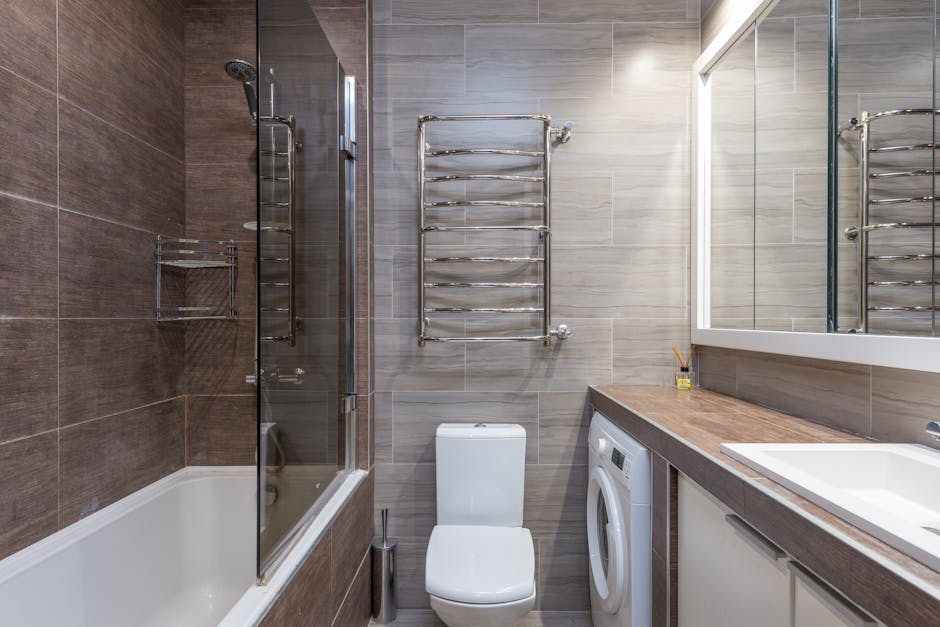
For the lifestyle-conscious consumer, the front-loader offers an aesthetic and functional advantage. They can be stacked with dryers or tucked under kitchen counters, a necessity in the compact “luxury” apartments of Mumbai or Bangalore. Conversely, the top-loader remains the king of ergonomics. For multi-generational households where elderly family members might struggle with the deep crouching required for a front-loader, the high-efficiency top-loader of 2026 provides a compromise that doesn’t sacrifice too much performance for the sake of comfort.
Front-Load Efficiency Metrics and High-End Performance
A high-end front-loader in 2026, such as the LG Vivace V4 (9kg), typically retails around ₹44,500. This model has become a benchmark for the industry. It utilizes 6-motion Direct Drive technology that moves the wash drum in multiple directions, giving fabrics the ultra-clean treatment they need while being incredibly gentle. The data suggests that this mechanical variety reduces fabric wear by up to 18% compared to older models. Pros: Exceptional energy efficiency (5-star BEE rated), silent operation due to the lack of a belt-driven motor, and advanced steam cycles that remove 99.9% of allergens. Cons: High initial purchase price and longer wash cycles that can exceed two hours for heavy loads.
Top-Load Ergonomics and Rapid Cycle Times
On the other hand, top-loading machines have seen a resurgence among families who prioritize speed and physical ease. The Samsung 8kg Top Load with Dual Cluster Control (approx. ₹28,000) addresses the old criticism of fabric damage by using “Wobble Technology” pulsators. These create a multi-directional washing flow that prevents tangles and knots. Pros: Much faster cycle times (often completing a full load in 45 minutes), easier to add forgotten items mid-cycle, and a lower price point that fits most retail financing brackets. Cons: Higher water consumption (often double that of a front-loader) and less effective at removing deep-set oil stains compared to the thermal action of front-load heaters.
The efficiency of a washing machine in 2026 isn’t just about the motor; it’s about the interaction between the drum’s surface geometry and the chemical activation of the detergent at specific temperatures.
Intelligence Beyond the Marketing: Comparing AI-Driven Fabric Care
By 2026, “AI” in washing machines has moved from a buzzword to a functional necessity. It is no longer just about connecting to Wi-Fi; it is about sensor fusion. Modern machines now incorporate weight sensors, fabric softness sensors, and even turbidity sensors that check how dirty the water is during the rinse cycle. This level of automation is designed to solve the problem of “over-washing,” which is the leading cause of clothes losing their shape and color over time. For the busy professional, this means the machine makes the decisions, allowing them to focus on their career rather than detergent ratios.
The Role of AI DD and Ecobubble Technology
Consider the Samsung AI Ecobubble (8kg Front Load), priced at roughly ₹41,000. Its core feature is the ability to turn detergent into bubbles that penetrate fabric 40 times faster than conventional soapy water. In our analysis, this allows for effective cleaning at lower temperatures, which is a massive win for energy conservation and the longevity of delicate Indian wear like silk blends. The machine’s AI learns your laundry habits via the SmartThings app and suggests the most efficient cycles based on local weather patterns. A notable pro is its integration with smart home ecosystems, allowing you to monitor energy spikes. A con, however, is that the complex PCB (Printed Circuit Board) required for these features can be expensive to replace once the three-year comprehensive warranty expires.
BEE Star Ratings and Long-term Operational Costs
In the Indian market, the Bureau of Energy Efficiency (BEE) ratings are the most reliable indicator of long-term operational costs. A 5-star rated machine in 2026 must meet stringent kilowatt-hour per kg standards. While a 5-star machine like the Bosch Series 6 (8kg) might cost ₹5,000 more upfront than a 3-star model, the electricity savings over a seven-year period typically offset this initial investment. Bosch’s i-DOS system is particularly interesting for the analytical buyer; it automatically dispenses the exact milliliter of liquid detergent needed, preventing the build-up of soap scum which can damage the machine’s internal heating element and lead to foul odors.
Advanced Wash Cycles for the Diverse Indian Wardrobe
The Indian wardrobe is perhaps one of the most diverse in the world, ranging from heavy denim and thick cottons to delicate Chanderi silks and embellished ethnic wear. In 2026, the best washing machines have moved away from generic “Cotton” or “Synthetic” labels to more nuanced programs. Machines like the IFB Senator Neo now include specific “Cradle Wash” programs designed for delicates, which use a slow swaying motion rather than a full rotation to protect embroidery and sequins.
Furthermore, the rise of “athleisure” as a primary clothing category in urban India has led to the development of specialized “Activewear” cycles. These cycles focus on removing sweat and salt deposits without damaging the elasticity of spandex and polyester blends. For families with infants, “Hygiene Steam” cycles have become a non-negotiable feature. These programs use steam released from the bottom of the drum to saturate every item in the load, ensuring that bacteria and allergens are neutralized without the need for harsh chemical disinfectants.
Solving the Hard Water Problem: Longevity Strategies for Indian Plumbing
One cannot discuss washing machines in India without addressing the elephant in the room: hard water. In cities like Bangalore, Delhi, and parts of Hyderabad, the high concentration of calcium and magnesium salts in the water supply is a machine killer. It leads to scaling on the heater, clogging of the drum holes, and a significant reduction in detergent effectiveness. By 2026, manufacturers have finally started integrating hard-water treatment directly into the chassis of the machine, rather than forcing consumers to buy external filters.
Built-in Aqua Filters and Descaling Cycles
The IFB Senator Neo (7kg), usually priced around ₹33,800, features a built-in “Aqua Energie” filter. This device treats the water before it enters the drum, breaking down the bicarbonates into crystals that remain suspended in the water rather than sticking to the machine’s internals. Pros: Significant extension of the heating element’s life and better detergent lather. Cons: The filter itself requires periodic cleaning, and the machine’s overall build is slightly bulkier to accommodate the treatment chamber.
The Chemistry of Maintenance for the Deep Researcher
Even with built-in filters, manual maintenance remains a necessity. The chemistry of hard water means that every 30 to 50 washes, a dedicated descaling cycle using citric acid-based cleaners is required. If you ignore this, the machine’s energy efficiency drops because the heater has to work through a layer of stone to warm the water. Furthermore, the rubber gasket on front-loaders is a prime spot for mold growth in humid Indian climates. Wiping the gasket dry after the final cycle of the day and leaving the door ajar is a simple, zero-cost way to extend the life of the machine by years. It is also worth checking the drain filter every month; Indian laundry often involves a lot of lint from cotton fabrics and occasionally loose coins or safety pins that can wreck the drain pump if not caught early.
The Economics of Appliances: Retail Financing and Warranty Protection
Purchasing a premium washing machine in 2026 is a significant financial commitment, often ranging between ₹30,000 and ₹60,000. Fortunately, the retail landscape in India has evolved to make these high-efficiency models more accessible through various telecom and finance partnerships. Many major retailers offer “No Cost EMI” (Equated Monthly Installments) which allow consumers to spread the cost over 12 to 24 months without interest. This has shifted the market focus from “cheapest available” to “best value over time.”
When evaluating the price, it is crucial to look at the warranty structure. In 2026, the industry standard has moved toward a “2+10” model: two years of comprehensive warranty on the entire machine and ten years on the motor. However, brands like IFB often provide a 4-year comprehensive warranty, which offers better peace of mind for the electronics-heavy AI models. For those living in coastal areas like Chennai or Kolkata, checking for “protective coating” on the PCB is essential to prevent corrosion from salty sea air, a detail often overlooked in the initial excitement of a purchase.
2026 Market Comparison: Top Rated Models and Specifications
When choosing the right model, it is helpful to look at the specifications side-by-side. The market in 2026 is dominated by players who have invested heavily in localized R&D. Whether you prioritize the silent motor of an LG or the robust hard-water handling of an IFB, the following table breaks down the essential data points for the current top-tier selections available through major retail partners.
| Model Name | Capacity | Max Spin Speed | Approx. Price (INR) | Best For |
|---|---|---|---|---|
| LG Vivace V4 | 9kg | 1400 RPM | ₹44,500 | Silent Homes & Large Families |
| Samsung AI Ecobubble | 8kg | 1400 RPM | ₹41,000 | Smart Home Integration |
| Bosch Series 6 i-DOS | 8kg | 1200 RPM | ₹42,500 | Detergent Precision |
| IFB Senator Neo | 7kg | 1200 RPM | ₹33,800 | Hard Water Areas |
| Haier 959 Series | 8.5kg | 1400 RPM | ₹36,000 | Space Saving (Slim Depth) |
Common Mistakes to Avoid When Buying a Washing Machine in 2026
Despite the wealth of information available, many consumers fall into traps that lead to dissatisfaction within the first year of ownership. The most common mistake is over-sizing. While a 9kg machine sounds impressive, if you are a household of two, you will rarely fill the drum. Modern machines are most efficient when filled to about 70-80% capacity. Running a 9kg machine with only 3kg of clothes consistently can lead to balance issues during the high-speed spin cycle, causing unnecessary wear on the shock absorbers.
Another pitfall is ignoring the Spin Speed (RPM). In the humid regions of India, a higher RPM (1200-1400) is vital because it extracts more water, significantly reducing drying time on the clothesline or in a dryer. However, for those who wear a lot of delicate hand-loomed fabrics, a machine that allows you to manually lower the RPM is just as important to prevent fiber breakage. Lastly, do not overlook the Inverter technology. Non-inverter machines are becoming obsolete; they are noisier, consume more power, and have a shorter lifespan. Always ensure the motor is a “Brushless DC” or “Inverter Direct Drive” variant for the best long-term results.
Selecting the right machine in 2026 requires a balance of immediate needs and long-term environmental realities. While the allure of the cheapest top-loader is strong, the rising costs of water and electricity in urban India make the efficiency of a front-loader more attractive over a five-year horizon. The integration of AI has finally reached a point where it actually saves time and fabric, rather than just adding complexity. As we move forward, the focus will likely shift even further toward sustainability, with microplastic filters becoming the next standard feature to watch for in upcoming model refreshes. By investing in a machine that understands the specific challenges of the Indian environment, you aren’t just buying an appliance; you are buying back your time and preserving the life of your wardrobe.