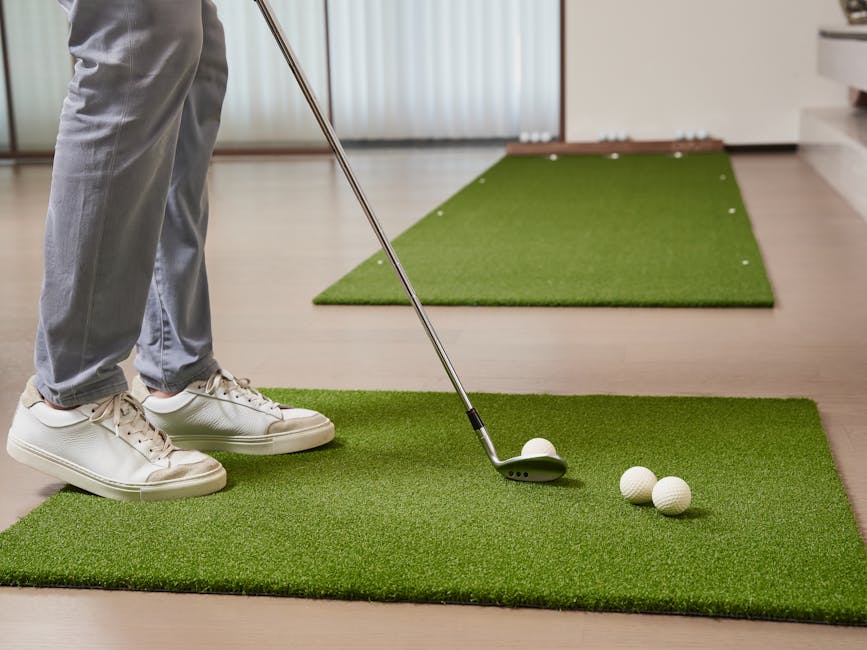
After fifteen years playing golf and a garage that has gone through four different organizational overhauls, I have figured out that golf gear is uniquely terrible to store. A single set takes more floor space than a bicycle, damages easily if stored wrong, and comes with accessories that scatter into every corner unless you plan for them from the start.
How Much Floor Space Golf Equipment Actually Claims
This is the question nobody asks before buying storage gear. You are not just storing a bag — you are managing a bag that stands 48 to 50 inches tall, a push cart or electric trolley if you use one, a shoe bag, range balls, extra gloves, and usually a practice net that gets pulled out twice a year. Most golfers underestimate the total footprint by about 40%.
People measure for the bag, buy a wall mount, then discover there is nowhere logical for the cart, the spare shoes, or the sleeve of balls they keep meaning to take to the range. The cart ends up on the floor, the shoes pile up next to the door, and the storage system starts disintegrating within a month.
The Actual Dimensions of a Golf Bag
A standard stand bag has a base footprint of roughly 10″ x 14″ and stands about 50 inches tall. A cart bag is slightly wider — around 14″ x 16″ at the base — and does not self-stand, so it needs a rack or wall mount to stay upright. Staff bags run about 10″ x 17″ and weigh 10+ pounds empty.
Vertical clearance matters too. A 50-inch bag needs to clear whatever is above it. If you are mounting beneath a shelf unit, that shelf needs to sit at least 52 inches from the floor — which cuts out most standard garage shelf heights. Check the vertical space before you drill anything.
Push Cart and Electric Trolley Footprint
A folded push cart like the Bag Boy Nitron or Clicgear 4.0 collapses to roughly 14″ x 8″ x 42″. Lean it against a wall and it is manageable. An electric trolley is a different calculation entirely. The Motocaddy S1 folds to approximately 22″ x 16″ x 12″. These are not slim items — a mounted wall hook will not hold them, and they need a dedicated floor section or a heavy-duty shelf rated for at least 30 lbs. If you own one and have not yet planned where it lives, that is the first problem to solve.
Full Golf Setup: Space Budget by Configuration
| Setup Type | Items to Store | Minimum Floor Footprint | Wall Space Needed |
|---|---|---|---|
| Casual golfer, 1 stand bag | Stand bag, shoes, balls | 1.5 sq ft | 12″ wide, 54″ tall |
| Regular golfer with push cart | Cart bag, Clicgear cart, shoes | 3.5 sq ft | 18″ wide, 60″ tall |
| Two golfers, 2 bags | 2 stand bags, shared accessories | 4 sq ft | 24″ wide, 54″ tall |
| Electric trolley user | Cart bag, trolley, charger, shoes | 5 sq ft | 20″ wide + floor section |
Add 3 to 4 cubic feet on top of these estimates for accessories: a glove bag, a box of range balls (typically 10″ x 8″ x 8″), a shoe bag, and travel head covers all need a home. Map out every item before you buy a single hook or shelf.
Wall-Mounted Holders vs. Freestanding Racks: A Direct Comparison

Both categories have clear use cases. The decision comes down to two questions: can you drill into your garage wall, and are you planning to stay in this house long enough to justify the install? If yes to both, wall mounting wins on every metric except initial cost.
| Product | Type | Bags Held | Price | Best For |
|---|---|---|---|---|
| Monkey Bars Golf Bag Holder | Wall-mounted | 2 bags | ~$89 | Permanent install, homeowners |
| StoreYourBoard Golf Storage Rack | Wall-mounted | 1–2 bags + accessories | ~$75 | Compact garages, bag and gear combo |
| RAD Sportz Golf Bag Organizer | Freestanding | 2 bags | ~$65 | Renters, no-drill setups |
| Wallniture Guru Golf Rack | Freestanding | 1 bag + accessories | ~$40 | Budget, single bag setup |
| Golf Bag Buddy Stand | Freestanding | 1 bag | ~$25 | Temporary, minimal investment |
The Monkey Bars Golf Bag Holder is my pick if you own your home. It mounts directly into studs, holds two bags with the bases off the floor — which matters for garages that collect moisture — and the mount design is proven over years of use. Installation takes about 45 minutes with a drill, level, and stud finder.
The RAD Sportz organizer at $65 is the freestanding winner. It holds two bags upright side by side, has a small shelf row for accessories, and requires no tools to assemble. I used one in a rental garage for two years without stability issues. The only real trade-off is floor footprint: it takes up roughly 18″ x 28″ on the ground, which in a tight single-car garage is meaningful square footage.
When Wall Mounting Is Not the Right Answer
If your garage has drywall over metal studs — common in newer construction — mounting anything heavier than 20 lbs requires toggle bolts rated for the load. Standard wood stud lag screws pull clean out of metal studs. Before buying a wall system, use a stud finder to identify what you are working with. A Franklin Sensors ProSensor T6 runs about $20 at any hardware store and gives you an answer in under a minute.
Rental agreements are the other blocker. Some lease clauses prohibit wall penetrations beyond standard picture-hook-sized holes. If you are renting, go freestanding. A $65 organizer is not worth losing a damage deposit.
Five Storage Mistakes That Actually Damage Clubs
These are not theoretical — they are what I have watched happen in my own garage or on clubs that came in for repair at the shop I helped at on weekends.
- Storing clubs through extreme summer heat. Garage temperatures in a hot climate can exceed 130°F in July. Repeated heat exposure softens the epoxy holding hosel inserts in iron heads. You will not notice until a head detaches mid-swing. If summer temps in your area push past 110°F regularly, bring graphite-shafted irons inside between rounds.
- Leaving clubs in a wet bag after a rainy round. Most people zip the bag and toss it in the garage. The moisture sits against steel shafts and creates rust at the ferrule — the plastic collar where shaft meets head. Leave the bag unzipped for at least 24 hours after a wet round before you seal it up.
- Stacking stand bags horizontally on a shelf. Cart bags handle horizontal storage fine. Stand bags do not — the leg mechanism spring bends out of shape if the bag lies on its side for weeks at a time. Stand bags go upright. Always.
- Running two bags off one hook. A single wall hook with two bags creates constant shaft-to-shaft contact. Graphite shafts scratch at contact points and the damage is permanent. Two bags need two separate mount points, full stop.
- Treating accessories as an afterthought. Balls, tees, gloves, and markers end up in the bottom of the bag or loose on a shelf. A small canvas tool pouch — $10 to $15 from any hardware store — mounted beside your bag storage area keeps this stuff consolidated. It sounds minor until you have spent ten minutes hunting for a glove on the morning of a tee time.
Electric Trolley Storage Gets Overlooked Until It Is Already a Problem
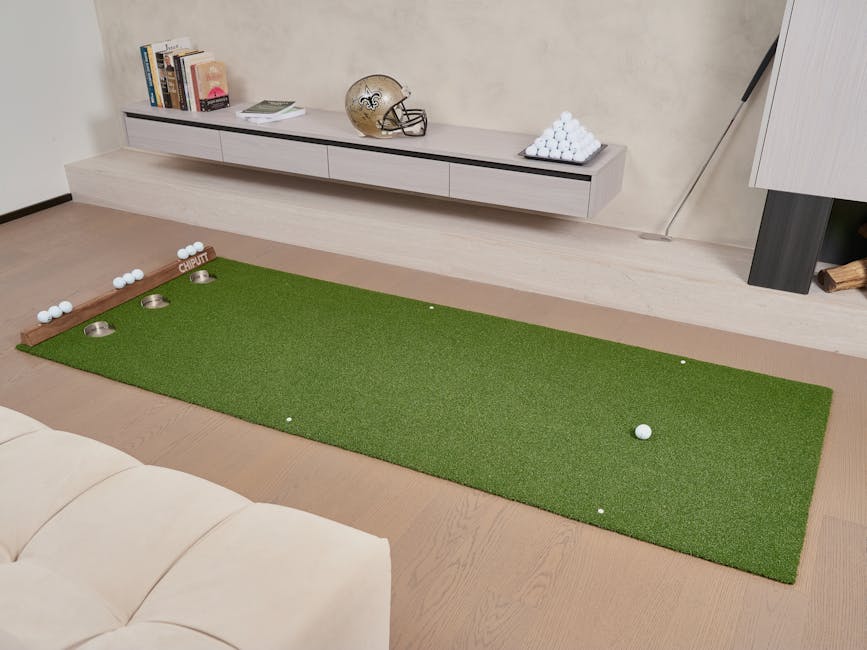
Nobody plans for the trolley until it is already blocking one third of the garage floor. Wall-mounting the bag does not fix this — the trolley is still on the ground because no standard golf storage rack accounts for it. Before buying any storage system, identify a dedicated shelf section at least 18 inches deep and 24 inches wide, rated for 40+ lbs. Most electric trolleys fold to roughly 24″ x 18″ x 14″. Measure yours before you buy a single shelf unit, because a trolley with no assigned home ends up in front of the car every single time.
Storing Golf Clubs Through Winter: What the Materials Actually Need
There is a lot of outdated advice floating around about winter club storage. Here is what is actually supported by how the materials behave.
Can Graphite Shafts Handle a Cold Garage?
Yes. Graphite does not become brittle at typical garage winter temperatures. The material holds up fine well below freezing in normal storage conditions. The real concern with graphite is not cold — it is UV exposure. Direct sunlight through a garage window, or repeated exposure near an open garage door, degrades the resin matrix over years. Keep graphite shafts away from direct light sources and they will last decades in any climate.
Does Garage Humidity Damage Steel Shafts?
It can, and it is the most common cause of rust on stored clubs. A typical attached garage cycles through humidity as temperatures shift — warm humid air in the evening cools overnight and condensation settles on metal surfaces. Apply a thin layer of light machine oil to steel shafts before winter storage. Wipe it completely off before spring play. This takes five minutes total. Club repair shops charge $15 to $20 per shaft to address rust that five minutes of prevention would have stopped entirely.
Should Grips Be Removed for Long-Term Storage?
No. There is no benefit to removing grips for 3 to 6 months of storage. What does matter is cleaning grips before you put the bag away. Oil and sweat left on rubber grips through an entire winter season accelerates material aging — the grip surface turns tacky and then hardens faster than normal wear would cause. A damp cloth with a drop of dish soap takes two minutes and meaningfully extends grip life.
The Exact Setup I Would Build in a One-Car Garage Today
One bag, one push cart, a standard 20-foot one-car garage — here is the specific setup with prices as of early 2026.
Mount a StoreYourBoard Golf Storage Rack ($75) on studs near the garage entry door. It holds the stand bag off the floor — critical for moisture separation — and has a secondary hook row for a shoe bag and accessories. Next to it, lean the folded Clicgear push cart against the wall with a rubber door stop at the base to prevent sliding. Total installed footprint: about 20 inches wide, 60 inches tall, zero floor space consumed by the bag itself.
For accessories, mount a small IRIS USA small-parts organizer ($22 at Home Depot) at shoulder height beside the rack. It holds balls, tees, gloves, and markers in labeled compartments. It is not a golf-specific product, but the compartments are better sized than any branded golf organizer I have tried, and you can see everything without opening a drawer.
Total cost: under $110. About two hours of installation. If you are storing two bags, swap the StoreYourBoard for the Monkey Bars two-bag mount at $89 — it handles both bags without doubling the wall footprint, which is the right call for any household with two players sharing the same garage space.