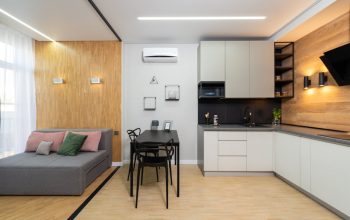
A calm hallway is less about owning the perfect cabinet and more about deciding which shoes are allowed to live by the door.
The hallway is a working room
An entryway may be narrow, but it handles an unreasonable number of jobs. It receives wet soles, dropped bags, keys, umbrellas, and the last-minute change of shoes that happens when an outfit looks different in daylight. Treating it as decoration alone is why even a beautiful console can end up surrounded by clutter.
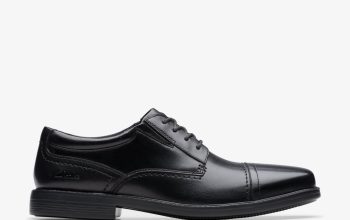
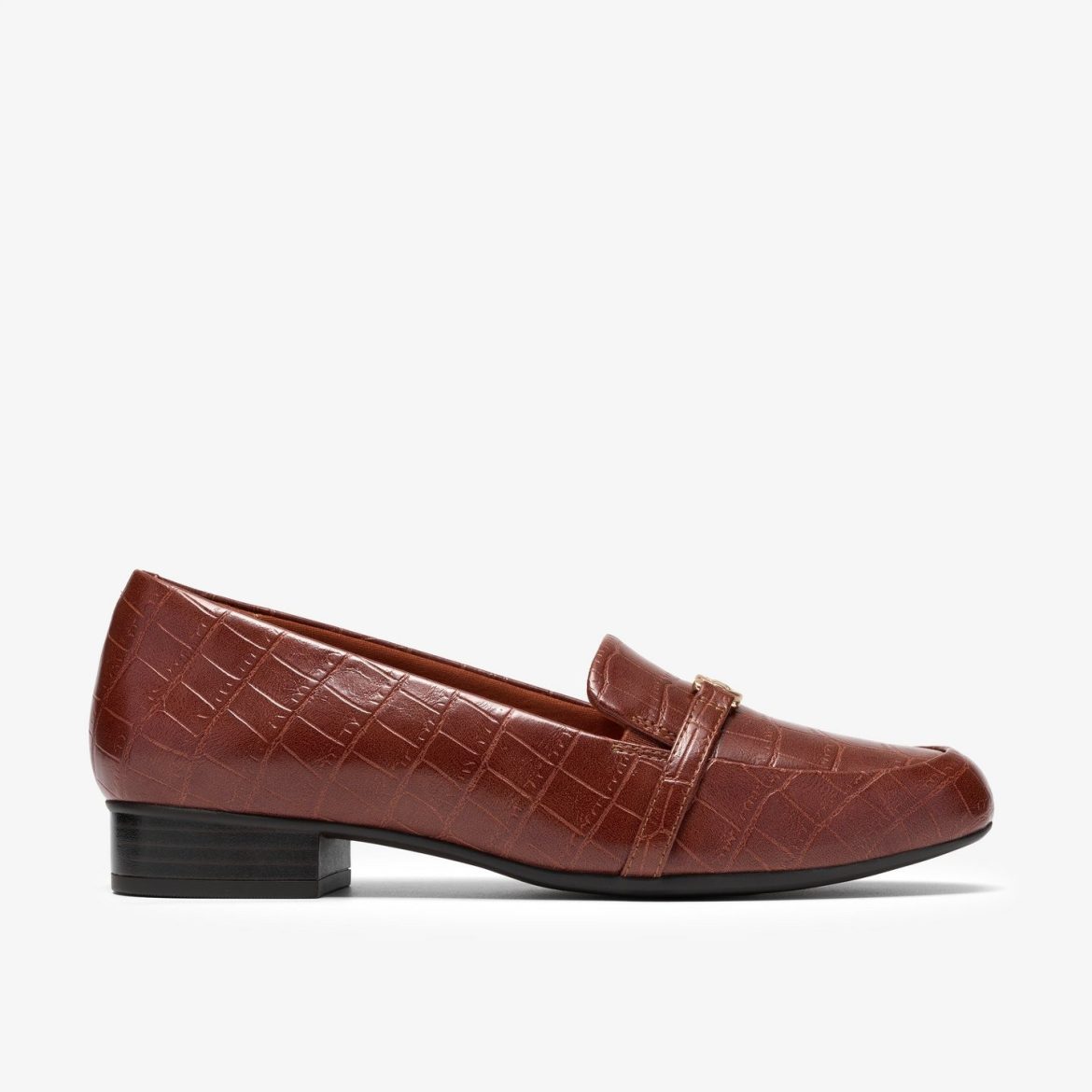
A better starting point is a shoe rotation: a small, seasonal group that earns space near the door while everything else lives elsewhere. Clarks is a useful source for this exercise because the current US range spans loafers, flats, sneakers, boots, dress shoes, and slippers. The goal is not to display a collection. It is to keep the pairs that solve this week’s real exits within easy reach.
Set a physical limit before sorting
Measure the usable width under a bench or inside the cabinet and decide how many adult pairs fit without touching. For most small halls, three pairs per person is generous. If shoes must be stacked, use individual boxes or a sloped rack; a loose pile hides the pair at the bottom and invites dirt onto uppers.
The limit matters more than the organizer. A twelve-cubby unit does not create calm when it encourages twelve unrelated pairs to stay in circulation. Start with one everyday pair, one weather pair, and one polished option. Add a fourth only when the household genuinely uses it several times a week.
Build the rotation around the floor
Hard tile can tolerate a low open rack, while wood benefits from a washable tray that catches grit before it scratches the finish. On carpet, keep outside shoes on a firm mat rather than allowing damp soles to sink into the pile. The mat should be wider than the largest pair and deep enough that heels do not hang over the edge.
Color can help the storage disappear. A dark tray beneath dark shoes reads as one quiet shape. A light oak bench works well with tan, cream, and soft grey footwear, but it will show black rubber marks more quickly. Choose the material for maintenance first, then let it support the room’s palette.
Give loafers and boots different treatment
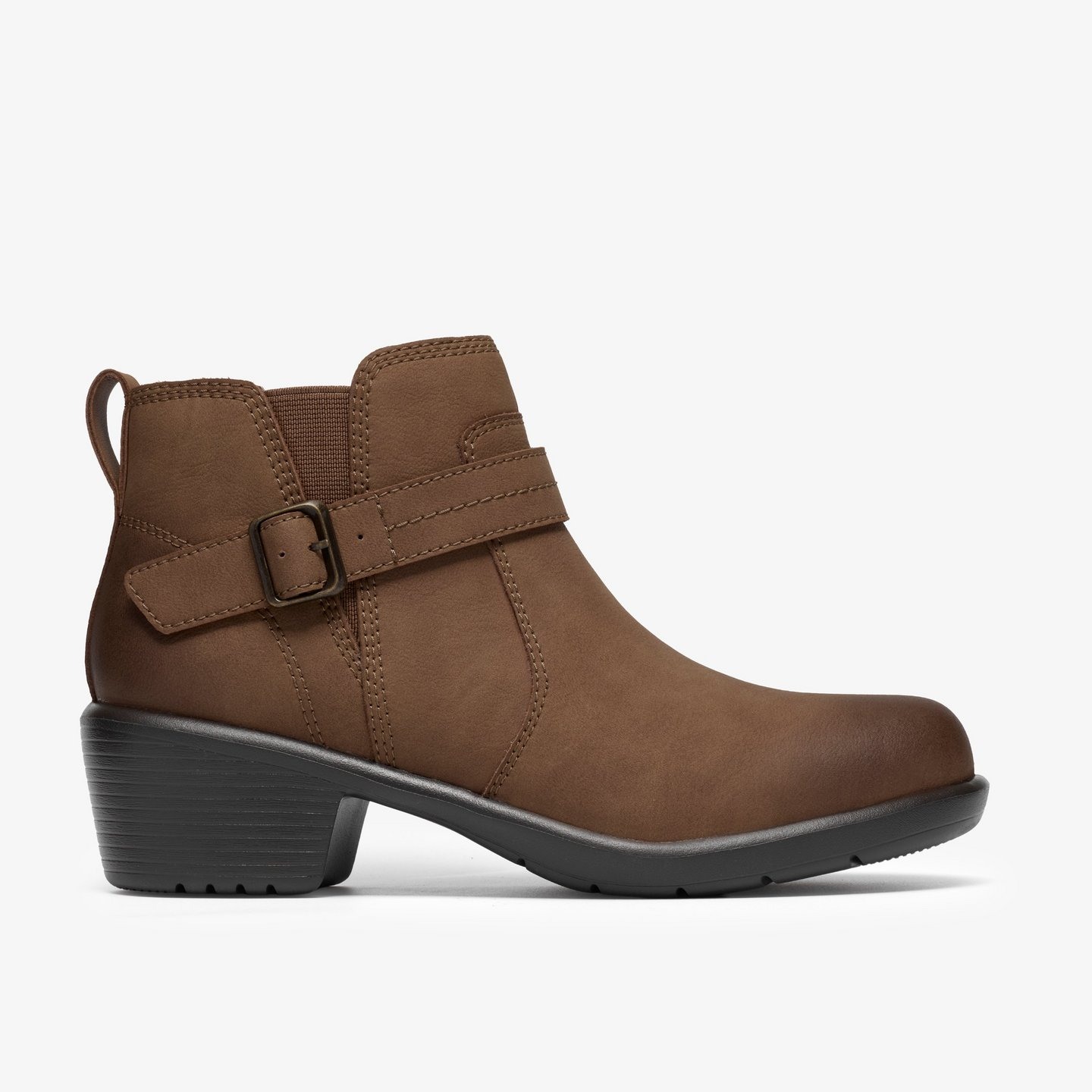
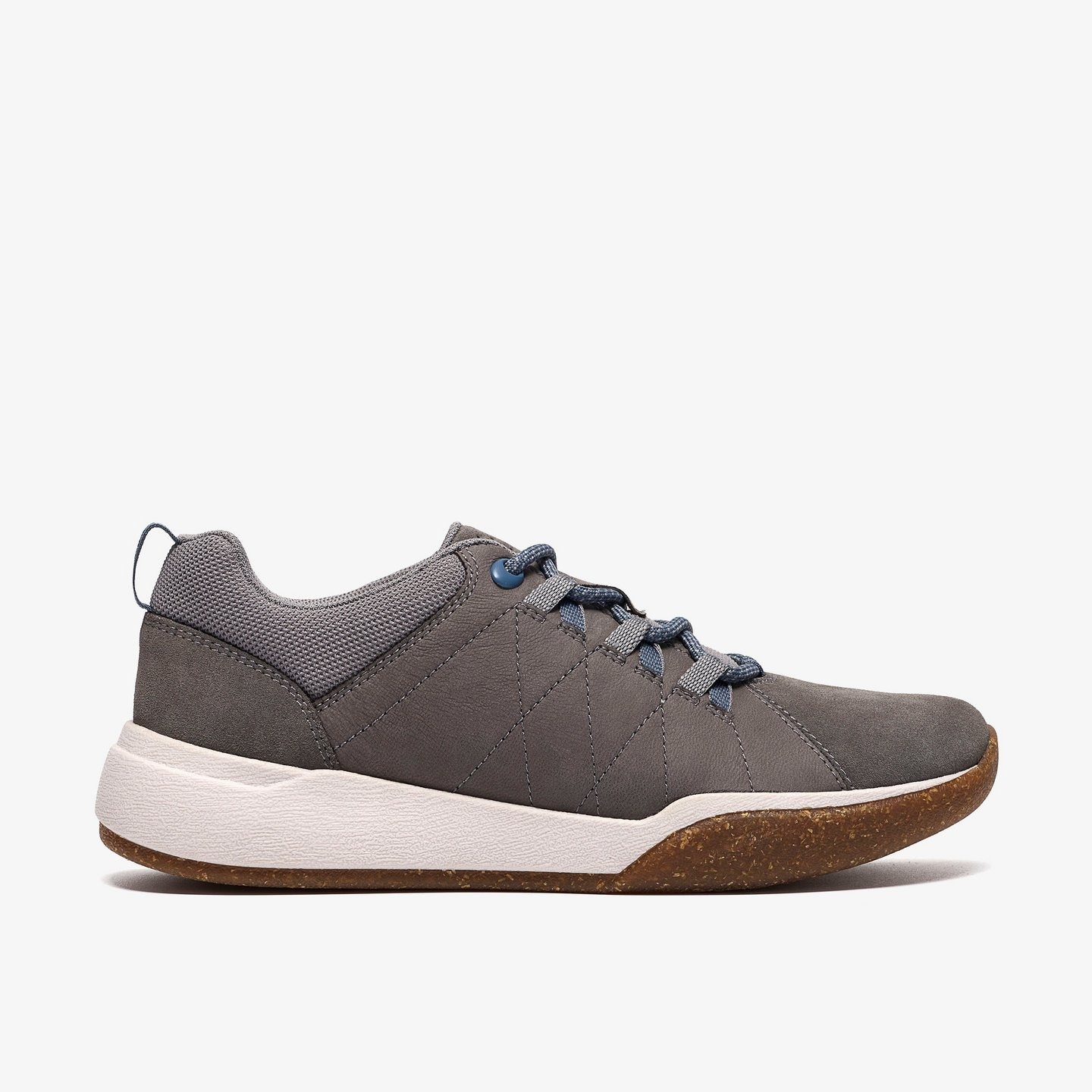
Loafers and flats are compact and easy to slide under a bench, but their toes can be crushed when heavier shoes are pushed in beside them. Leave a finger-width of air between pairs and use shoe trees if the leather tends to crease. Boots need vertical clearance and a stable base; stuffing the shaft with acid-free paper or a simple boot shaper keeps it from folding into the path.
This is where rotation becomes practical. When the forecast changes, boots move forward and delicate flats move to a closet shelf. The hallway should mirror the weather outside, not the full history of the wardrobe.
Make the leaving sequence obvious
The most useful order is bag, outer layer, shoes, keys. Place hooks and shelves in that sequence if the wall allows it. A seated surface beside footwear is more valuable than another decorative object, especially for lace-up shoes or anyone with limited balance. Keep the seat at least partly clear; a bench covered with baskets is storage, not seating.
A small dish for keys belongs closer to the interior side of the door, away from the immediate drop zone. Bags need a hook strong enough for their actual weight. When each object has a movement attached to it, tidying becomes part of leaving and returning rather than a separate chore.
Rotate weekly, clean monthly
Once a week, return pairs that were not worn and bring forward anything needed for the next seven days. Once a month, empty the tray, vacuum grit, wipe the cabinet, and check soles for embedded stones. Let wet shoes dry fully before enclosing them; ventilation protects both the footwear and the furniture around it.
The result is not a showroom entry. It is a room that recovers quickly after a busy morning. A controlled shoe rotation keeps the floor visible, protects better pairs, and makes the first decision of the day noticeably easier.
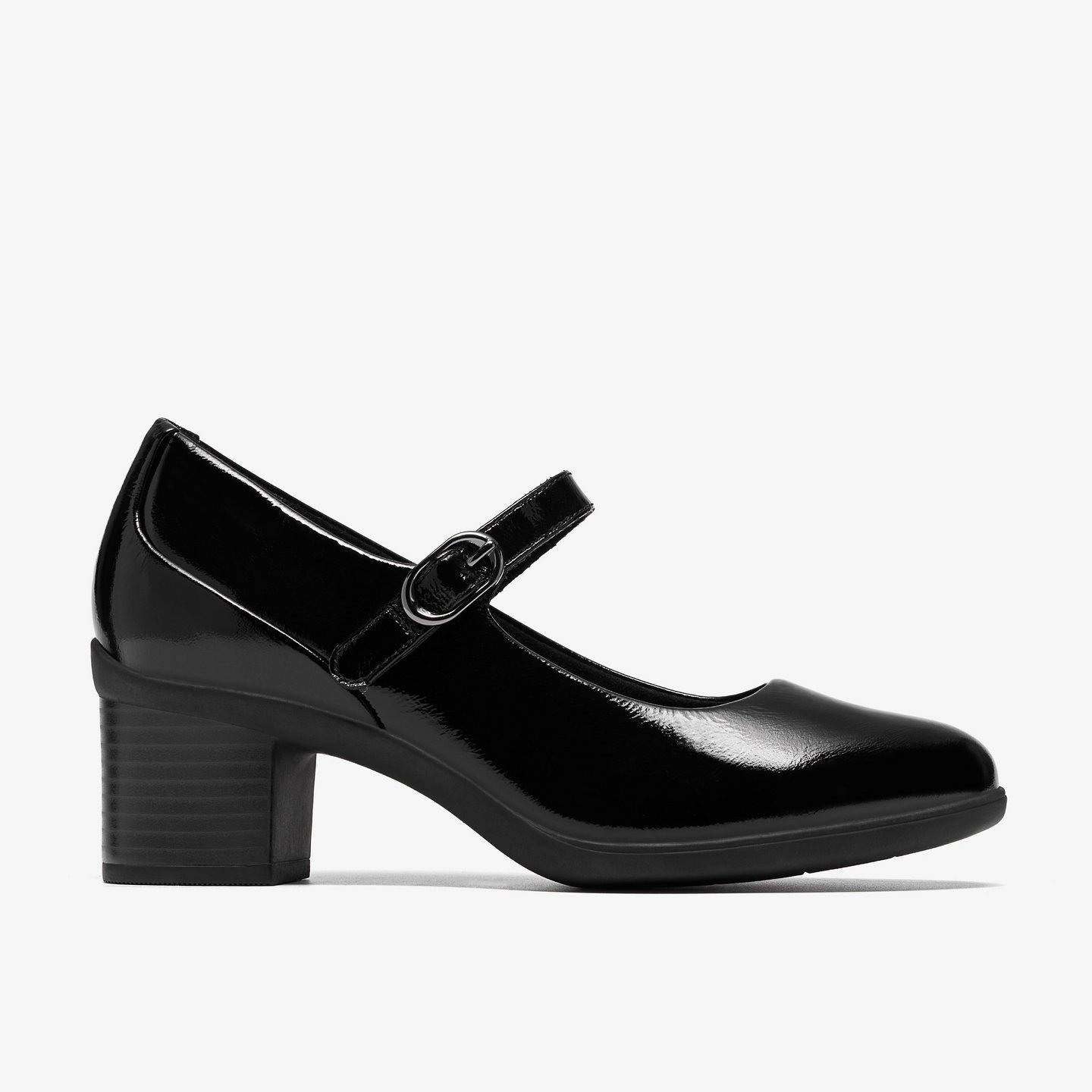
Explore women’s shoes at Clarks
Product selection, pricing, and availability can change. Check Clarks for current details before ordering.