Struggling to fit a full dining table and chairs into your cozy kitchen or open-plan living area? Banquette seating might be the space-saving solution you've been looking for. This often-overlooked design element can transform a cramped corner into a comfortable, functional dining nook, making the most of every square foot.
What Exactly Is a Banquette, and Why Would You Want One?
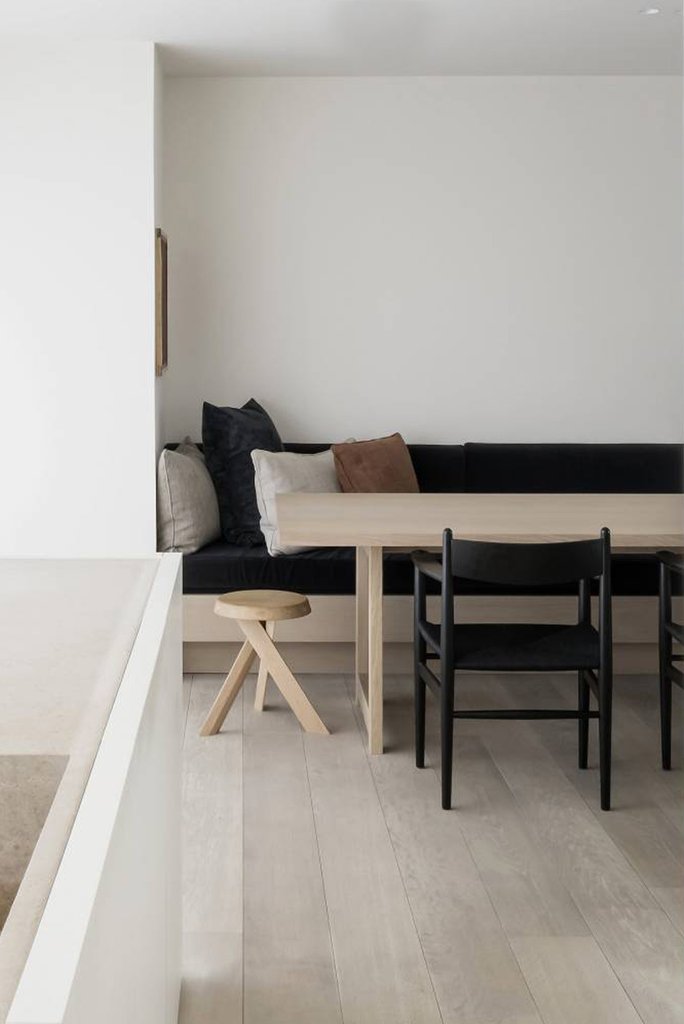
A banquette is essentially a long, upholstered bench seat, typically built into or fitted against a wall, often accompanied by a dining table and chairs on the opposite side. Think of it as restaurant-style seating, but tailored for your home. While traditionally found in commercial spaces, banquettes have gained significant traction in residential design for their clever blend of style and utility. They address common homeowner dilemmas like maximizing seating in tight spaces, adding hidden storage, and creating a cohesive, custom look without a full renovation.
Space Efficiency
The primary draw of a banquette is its ability to reclaim floor space. Traditional dining chairs require clearance behind them for pulling out and sitting down—often 24 to 36 inches per chair. A banquette, by contrast, sits flush against a wall, eliminating this wasted space. This means you can often fit more people around a smaller table or create a comfortable dining area in a spot where individual chairs simply wouldn't work. For example, a 60-inch banquette can comfortably seat three adults, whereas three dining chairs would need significantly more linear wall space and floor clearance.
Comfort & Coziness
Unlike hard dining chairs, most banquettes feature plush cushioning and backrests, making them inherently more comfortable for lingering over meals or working from home. The enclosed, corner-hugging nature of many banquette designs also creates a sense of intimacy and coziness. It feels like a dedicated retreat within a larger room, perfect for family breakfasts or casual entertaining. Upholstered banquettes, like those often seen in custom kitchen nooks, invite longer stays at the table than typical wooden chairs, enhancing the dining experience.
Built-in Storage
Many banquettes incorporate ingenious storage solutions beneath their seats. This can be invaluable in homes lacking pantry space or needing extra room for linens, serving dishes, or infrequently used kitchen appliances. Lift-top seats or pull-out drawers are common options. For instance, a built-in banquette crafted from IKEA Sektion kitchen cabinets can offer deep, accessible drawers perfect for storing bulky items like slow cookers or seasonal decor. This dual-purpose design adds significant value without sacrificing aesthetic appeal.
Built-in vs. Freestanding: A Head-to-Head Comparison
When considering a banquette, one of the first decisions you'll face is whether to opt for a built-in or a freestanding unit. Each approach has distinct advantages and trade-offs in terms of cost, flexibility, and installation. Understanding these differences helps you pick the right fit for your home and budget.
| Feature | Built-in Banquette | Freestanding Banquette |
|---|---|---|
| Cost Range (Approx.) | $1,500 – $5,000+ (for custom, per linear foot often $200-$500) | $500 – $3,000 (depending on size, brand, materials) |
| Installation | Permanent, requires professional carpentry or advanced DIY skills. | Ready-to-assemble or fully assembled, easy placement. |
| Customization | High: Exact dimensions, materials, storage tailored to space. | Limited: Choose from available sizes, fabrics, configurations. |
| Flexibility | Low: Fixed in place, cannot be moved or reconfigured easily. | High: Can be moved, rearranged, or taken to a new home. |
| Aesthetic Integration | Seamless, looks like part of the architecture, high-end feel. | Can look like furniture, may not perfectly fill awkward spaces. |
| Resale Value | Can add value if well-designed and functional. | No direct impact, as it's personal property. |
Installation and Permanence
Built-in banquettes, as the name suggests, are custom-fitted to your space and permanently affixed to walls or floors. This makes them incredibly stable and allows for seamless integration with existing architecture, but it also means a more complex installation process. You'll likely need a carpenter or skilled DIYer to build a frame, add paneling, and create custom cushions. Freestanding banquettes, conversely, are standalone pieces of furniture. Brands like West Elm or Pottery Barn offer modular banquette pieces that you can arrange to fit your needs, or even single benches that simply push against a wall. This offers immediate gratification and flexibility.
Cost and Customization
Generally, a custom built-in banquette will be more expensive due to labor and material costs for bespoke construction. A professional custom job can run from $200 to $500 per linear foot, not including upholstery. However, the payoff is a perfectly tailored fit and design. Freestanding options are more budget-friendly, with many popular retailers offering benches and modular units ranging from $500 for a basic bench to $3,000 for a multi-piece sectional. While customization is limited to what's available, you can often choose fabric and finish options to match your decor.
Flexibility and Future Planning
The biggest trade-off lies in flexibility. A built-in banquette commits you to a specific layout for the long term. If you rearrange furniture often or plan to move in a few years, a freestanding unit might be a better choice. You can easily move it to another room, sell it, or take it with you. A built-in is an investment in your current home's layout and becomes a fixed asset.
Design Considerations: Getting the Dimensions Right
The success of any banquette, whether built-in or freestanding, hinges on precise measurements. There’s nothing worse than a beautiful banquette that’s uncomfortable or impractical because the dimensions are off. You need to consider depth, height, and length carefully, along with the specific table you'll pair it with. This isn't just about fitting it into a space; it's about making it functional and comfortable for everyone who uses it.
-
Seat Depth and Height: Finding the Sweet Spot
A standard comfortable seat depth for a dining banquette is typically between 18 and 22 inches. Anything shallower feels perched, while anything deeper can make it hard to reach the table comfortably. For the seat height, aim for 18 to 20 inches from the floor to the top of the cushion. This is crucial for pairing with a standard dining table, which usually stands 29 to 30 inches tall. You want about 10 to 12 inches of clearance between the top of the banquette seat and the underside of the table apron. Too little space and your knees will hit; too much and you'll feel like you're reaching for your plate. If your banquette will have a backrest, ensure it's angled slightly (around 5-10 degrees) for ergonomic comfort. A straight vertical backrest can be surprisingly uncomfortable for extended periods.
-
Length and Corner Fit: Maximizing Seating Capacity
The length of your banquette will dictate how many people can sit comfortably. Allow approximately 20 to 24 inches of linear space per person for comfortable dining. So, a 60-inch banquette can comfortably seat three people. If you're designing a corner or U-shaped banquette, remember that the corner itself isn't typically a comfortable seating spot, so factor that into your per-person calculations. For instance, an L-shaped banquette with 60 inches on one side and 40 inches on the other (excluding the corner) might seat two on the long side and one on the short side, rather than a full five. Always measure your available wall space precisely, accounting for window sills, electrical outlets, and door frames.
-
Upholstery and Backrests: Form and Function
The thickness and density of your cushions play a huge role in comfort and overall height. High-density foam (HR foam with a density of 2.0-2.5 lbs/cu.ft) is highly recommended for seat cushions as it resists compression and lasts longer. For backrests, a slightly softer foam or Dacron-wrapped foam can provide a more yielding comfort. Consider the overall aesthetic too. A sleek, minimal banquette might have thinner, firmer cushions, while a more traditional style could feature thicker, softer, tufted upholstery. The backrest height also matters; a low backrest (12-18 inches above the seat) offers a modern look, while a taller backrest (20-24 inches) provides more back support and a classic diner feel. Don't forget armrests if your design allows, typically around 24-26 inches high, which can enhance comfort but might reduce seating capacity slightly.
Common Banquette Materials and Upholstery Options
Choosing the right materials for your banquette is just as critical as getting the dimensions right. It impacts durability, ease of cleaning, and the overall look and feel of your dining area. Since banquettes are high-traffic zones, especially in kitchens or dining nooks, prioritizing resilience is key. Acrylic blends are the workhorse fabric for most dining banquettes. They offer an excellent balance of durability, stain resistance, and aesthetic appeal, making them a top recommendation for busy households.
Durable Fabrics for Dining
For upholstery, performance fabrics are often the best choice. Brands like Sunbrella and Crypton offer a wide range of options that are specifically designed to resist stains, moisture, fading, and general wear and tear. A mid-range Sunbrella upholstery fabric, for instance, might cost $30-$60 per yard, but its longevity and easy maintenance can save money in the long run. Other good choices include tightly woven synthetic blends (polyester, nylon) or even vinyl, particularly for very high-use areas with children. Natural fibers like cotton or linen can be beautiful but are more prone to staining and require more careful cleaning. If you opt for natural fibers, consider a stain-repellent treatment. The fabric should have a Martindale rub test rating of at least 30,000 for residential use to ensure it holds up well over time.
Solid Wood and Engineered Boards
The underlying structure of a built-in banquette is typically made from a sturdy material. Plywood (especially birch plywood for a smooth finish) or MDF (medium-density fiberboard) are common choices. Plywood offers excellent strength and screw-holding capability, while MDF is denser and provides a very smooth surface for painting. For exposed parts, such as the base or side panels of a built-in, solid wood like oak, maple, or walnut can be used for a premium look, or a veneer over plywood for a more cost-effective but still beautiful finish. For a DIY project, pre-made cabinet bases, such as the IKEA Sektion system, offer a surprisingly robust and cost-effective framework that can be customized with panels and cushions.
Foam and Cushioning Choices
The comfort of your banquette largely depends on its cushioning. For seat cushions, high-resiliency (HR) foam with a density between 2.0 and 2.5 lbs per cubic foot is ideal. This type of foam offers excellent support and will retain its shape for years, preventing that saggy, worn-out look. A 4-inch thick HR foam cushion can cost around $80-$150 per linear foot, depending on the supplier and custom cutting. For backrests, a slightly softer foam, sometimes wrapped in Dacron batting, provides a more yielding feel. A 2-3 inch thick foam is usually sufficient for a comfortable backrest. Always check the fire retardancy standards for any foam you purchase, ensuring it meets local safety regulations.
The True Cost of Banquette Seating: A Quick Verdict
Investing in banquette seating offers significant value in terms of space maximization, comfort, and often hidden storage. While custom built-ins require a higher upfront investment, typically ranging from $1,500 to $5,000 or more depending on size and finishes, they deliver a perfectly integrated, high-end look. Freestanding and modular options from retailers like West Elm or Pottery Barn provide more budget-friendly entry points, usually between $500 and $3,000, with the added benefit of flexibility. Ultimately, the cost is balanced by the functionality and tailored elegance a banquette brings to your home, transforming an underd corner into a beloved gathering spot.