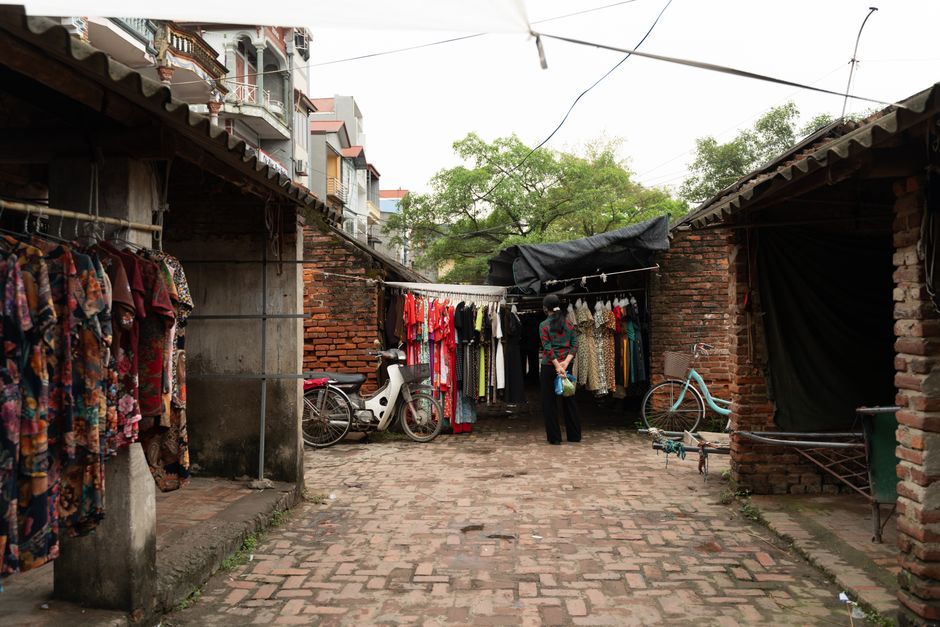
Fast fashion produces 10% of global carbon emissions. That is more than international flights and maritime shipping combined. Your wardrobe is costing the Earth. But you do not have to wear burlap sacks to fix it.
Here is the truth: the most sustainable garment is the one already in your closet. Everything else is a negotiation. This article cuts through the greenwashing and tells you exactly what to do in 2026.
The Real Carbon Cost of a T-Shirt
That $5 t-shirt from a fast-fashion retailer costs the planet about 6.5 kg of CO2. A pair of jeans? Roughly 33 kg. Multiply that by the 20+ new items the average person buys each year, and you are looking at a serious carbon load.
Where does that carbon come from? Three main sources:
- Raw material production — conventional cotton uses massive amounts of water and pesticides. Polyester is plastic made from oil.
- Manufacturing — dyeing and finishing fabrics is energy-intensive and often done with coal power in countries like Bangladesh and China.
- Transportation — your clothes travel halfway around the world before reaching your doorstep.
The worst offender? Polyester. A single polyester shirt emits nearly twice the CO2 of a cotton shirt. And it sheds microplastics every time you wash it.
Here is the blunt reality: buying one new cotton t-shirt has the same carbon footprint as driving 15 miles in a typical car. Buying a polyester jacket? That is like driving 50 miles. Every new purchase adds up.
Three Questions to Ask Before Every Purchase

Stop buying on impulse. Before you click “add to cart,” ask yourself these three things. Write them on a sticky note if you have to.
1. Will I wear this at least 30 times?
The 30-wear rule is the minimum threshold for a garment to offset its production impact. If you cannot honestly say yes, put it back. Most people wear 20% of their wardrobe 80% of the time. Do not add to the 80% you ignore.
2. Can I find this secondhand?
Secondhand clothing has essentially zero carbon footprint for the buyer. The emissions already happened. Platforms like The RealReal and thredUP make it easy to find quality pieces. In 2026, the secondhand market is bigger than fast fashion. Use it.
3. What is the fabric?
Check the tag. Avoid virgin polyester, nylon, and acrylic. Look for organic cotton, linen, hemp, or Tencel. These natural fibers have a lower carbon footprint and biodegrade at the end of their life. Patagonia uses recycled polyester in most of their gear. Levi’s has a line of jeans made with organic cotton and water-saving techniques. These brands prove you do not have to sacrifice quality.
How to Spot Greenwashing (Most Brands Are Lying)
Every fashion brand now has a “sustainability” page. Most of it is marketing fluff. Here is how to tell who is serious and who is selling you a story.
Real sustainability is measurable. Look for specific claims backed by third-party certifications. The most credible ones:
- GOTS (Global Organic Textile Standard) — verifies organic fibers from harvest to finished product.
- OEKO-TEX Standard 100 — confirms no harmful chemicals in the final product.
- B Corp Certification — the company meets high social and environmental standards across the board.
- Fair Trade Certified — ensures fair wages and safe working conditions.
If a brand throws around words like “eco-friendly” or “green” without a certification, assume it is marketing. H&M’s “Conscious” collection has been criticized for being less sustainable than advertised. Do not trust vague promises.
Another red flag: a brand that releases 50 new collections per year cannot be sustainable. Period. The business model itself is the problem. Real sustainable brands release 2-4 collections annually and design for durability.
The Maintenance Trap — How You Wash Matters
Here is something most people miss: 25% of a garment’s lifetime carbon footprint comes from washing and drying. You can undo all your ethical shopping by washing clothes badly.
Wash in cold water. Heating water accounts for 90% of the energy a washing machine uses. Cold water cleans just as well for most items. Use a gentle detergent like Seventh Generation Free & Clear — it is plant-based and works in cold water.
Air dry whenever possible. A dryer uses about 3 kWh per load. That emits roughly 1.2 kg of CO2. Air drying costs zero. If you must use a dryer, clean the lint filter every time — it cuts energy use by 30%.
Wash less. Jeans do not need washing after every wear. Spot clean them. Hang them to air out. Most synthetic fabrics only need washing after 5-10 wears. Over-washing wears out fibers faster and sends clothes to the landfill sooner.
One more thing: repair before replacing. A loose button or a small tear is not a death sentence. Learn basic sewing. Take shoes to a cobbler. The Patagonia Worn Wear program repairs their gear for free. Other brands are starting to offer similar services. Use them.
When Buying New Is Actually the Right Choice

Secondhand is not always the answer. For certain items, buying new — from the right brand — is the better environmental move. Here is when to break your own rules.
| Item | Buy Secondhand? | Best New Option | Why |
|---|---|---|---|
| Underwear and socks | No | Organic cotton or bamboo | Hygiene. Secondhand underwear is not worth the risk. |
| Winter coats | Yes, if quality | Patagonia or The North Face | High-quality coats last decades. Buy used if you can find one in good shape. |
| Running shoes | No | Brooks or New Balance with recycled materials | Worn shoes lose support. Buy new, but choose brands with take-back programs. |
| Jeans | Yes | Levi’s WellThread or Nudie Jeans | Secondhand jeans are abundant. New jeans from sustainable lines are also a solid choice. |
| Activewear | Sometimes | Girlfriend Collective (recycled polyester) | Check for pilling and stretched elastic. New activewear from recycled materials is better than virgin polyester. |
The key is to buy the best quality you can afford, then wear it until it falls apart. That Patagonia jacket might cost $200, but if you wear it for 10 years, the annual cost is $20. That $50 fast-fashion jacket that lasts one season? That is $50 per year. The expensive option is cheaper in the long run — and better for the planet.
One final rule: if you absolutely must buy something new, buy from a brand that publishes a carbon footprint for each product. Allbirds does this. Reformation does it too. Transparency is the only way to hold brands accountable.
The single most impactful thing you can do in 2026 is simple: buy less, buy better, and wear everything until it is truly dead.