
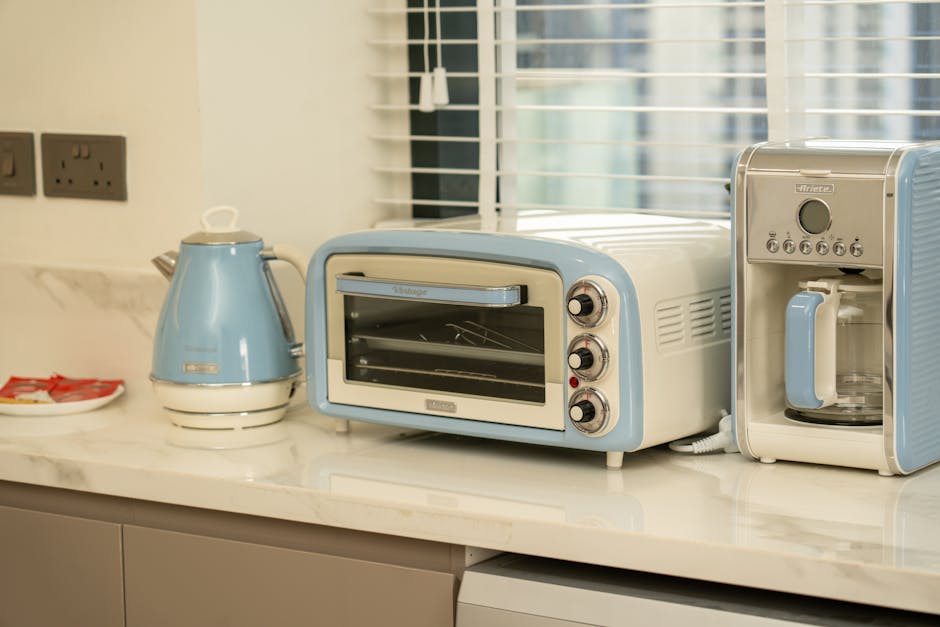
Let’s cut to the chase: most of the shiny new kitchen gadgets pushed on us are a waste of space and money. After decades of cooking, baking, and blending, I’ve seen countless appliances come and go. My biggest takeaway? Invest where it truly matters for longevity and daily utility, and skip the rest. Don’t fall for every trend. Focus on quality, power, and how often you’ll *actually* use something. Some items are worth every penny, while others are just glorified countertop clutter. My advice is simple: buy once, cry once, or don’t buy at all.
The One Appliance You Absolutely Need (and why you’re probably buying the wrong one)
If you do any sort of baking or serious cooking, a stand mixer is non-negotiable. But here’s the kicker: most people overspend. You don’t need the top-tier, commercial-grade model unless you’re running a bakery from your home. For the vast majority of us, a solid mid-range unit is more than enough.
My go-to recommendation, year after year, remains a KitchenAid stand mixer. I’ve had mine for over fifteen years, and it still performs like new. The real question is *which* KitchenAid? Many jump straight to the Artisan or Professional series, thinking more power equals better. Often, it just means a bigger footprint and a higher price tag for features you won’t maximize. For instance, the KitchenAid Classic (typically around $270-$300) with its 4.5-quart bowl and 275-watt motor is a powerhouse for cookies, bread dough, and meringues. It handles dense dough without breaking a sweat, provided you’re not trying to knead five loaves at once. The Artisan (around $380-$450) steps up to a 5-quart bowl and a 325-watt motor. While a slight upgrade, its core functionality for most home cooks isn’t dramatically different. The extra 50 watts often isn’t the deciding factor for typical use.
Understanding Power vs. Price in Stand Mixers
The wattage rating on a stand mixer isn’t the whole story. Torque and how efficiently the motor uses that power are just as crucial. KitchenAid’s direct-drive motors are known for their durability and ability to transfer power effectively to the mixing bowl. A 275-watt Classic can often outperform a 500-watt mixer from a lesser-known brand because of superior gearing and build quality. What you’re paying for with KitchenAid isn’t just raw power, but the engineering that ensures that power is delivered reliably, year after year. The more expensive Professional and Commercial models usually feature larger bowls (6-7 quarts) and more robust bowl-lift designs, which are fantastic for high-volume tasks but overkill for an average family kitchen. Save your money. Get an Artisan if you absolutely want the color variety, but a Classic is functionally stellar for most people.
Attachments: What You Actually Need
Don’t get sucked into buying every KitchenAid attachment. Many are niche and gather dust. The basic paddle, dough hook, and wire whip that come with the mixer cover 99% of tasks. The pasta maker attachment? Fun once or twice, then relegated to the back of the cupboard. The meat grinder? Unless you’re processing large amounts of game regularly, a good food processor or a quality butcher is more practical. Think critically about how frequently you’d use an attachment before committing to another $50-$150 purchase. For instance, a simple splash guard is probably the most useful accessory beyond the standard set.
Blenders: High-End vs. Everyday Workhorses
When it comes to blenders, there’s a clear divide: daily green smoothie warriors and occasional sauce makers. If you’re in the former camp, blending frozen fruit, ice, and tough greens every single morning, then a high-end blender like a Vitamix is a . For everyone else, it’s an unnecessary extravagance.
I committed to a Vitamix 5200 back in 2012, and it cost me a pretty penny, around $450 at the time. Over a decade later, it still crushes ice, pulverizes kale, and makes the smoothest nut butter without a single complaint. Its 2-peak horsepower motor (around 1380 watts) and robust blade design are built for continuous, heavy-duty use. The variable speed control and tamper mean you can handle incredibly thick mixtures without adding extra liquid, leading to richer textures. This kind of power and build quality is what makes it a lifetime investment for some households.
Motor Power and Blade Design: The Vitamix Difference
The secret to a Vitamix isn’t just its high wattage; it’s the combination of motor strength, blade speed, and the unique container design that creates a powerful vortex. The blunt, aircraft-grade stainless steel blades don’t cut in the traditional sense; they pulverize. This allows it to break down cell walls in greens more effectively, releasing more nutrients and creating a smoother consistency than blenders that rely on sharp blades to chop. My Vitamix has never once struggled with frozen fruit or even whole almonds, turning them into perfectly smooth liquids or flours. This consistent, high-performance power means less strain on the motor and fewer chances of burnout, explaining its legendary durability.
When to Opt for a More Affordable Alternative
If your blending needs are simpler – occasional fruit smoothies, pureeing soups, making pancake batter – a Vitamix is overkill. Brands like NutriBullet or Ninja offer excellent performance for around $100-$150. A Ninja Foodi Power Pitcher Blender (around $140) with its 1400-peak-watt motor and stacked blade design is fantastic for personal smoothies and even some food processing tasks. It handles ice and frozen fruit remarkably well for its price point. However, I’ve found that these blenders, while powerful initially, tend to show wear and tear faster with very heavy daily use. Their plastic parts and motor assemblies aren’t quite as robust as a Vitamix. You might find yourself replacing them every few years if you’re a daily user. So, my rule is: if you use a blender 3+ times a week for tough ingredients, get the Vitamix. If it’s once or twice for soft fruit, a Ninja or NutriBullet is perfectly adequate and saves you hundreds.
Underrated Kitchen Tools I Use Every Day
-
A quality set of sharp knives: This isn’t groundbreaking, but people often overlook how much a truly sharp chef’s knife and a paring knife transform cooking. Dull knives are dangerous and frustrating. Invest in professional sharpening every 6-12 months, or learn to use a whetstone. It’s not about owning a dozen specialized knives, it’s about having two or three incredibly sharp, comfortable ones.
-
Digital kitchen scale: For baking, precision is everything. Eyeballing flour or sugar can drastically change a recipe’s outcome. A simple digital scale, like one from OXO or Etekcity (typically $15-$30), is far more accurate than measuring cups and spoons for dry ingredients. It ensures consistent results and saves dishes. Weighing ingredients also means less cleanup, which is a win in my book.
-
Bench scraper: This humble tool (usually $8-$15) is indispensable for collecting chopped vegetables from a cutting board, portioning dough, and cleaning flour off the counter. It’s simple, effective, and makes kitchen prep and cleanup noticeably faster. I use mine multiple times a day.
-
Large, heavy-bottomed pot: A good 6-8 quart Dutch oven or stockpot isn’t just for soups. It’s for pasta, braising meats, making large batches of chili, and even frying. The heavy bottom prevents scorching and distributes heat evenly, which is crucial for simmered dishes. You don’t need a super expensive brand; Lodge cast iron or a sturdy stainless steel option works wonders for $50-$100.
-
Immersion blender: While I love my Vitamix, for pureeing soups directly in the pot, an immersion blender (around $30-$60) is far more convenient. Less mess, less transfer, and just as effective for smooth soups or sauces. It’s a single-purpose tool that genuinely saves time and effort.
Air Fryers vs. Toaster Ovens: Making the Right Call

The air fryer craze is real, but many people are buying dedicated units when a versatile air fryer toaster oven would serve them better. It’s a matter of space, budget, and primary use. I’ve tried both, and my stance is clear: if you only want to crisp up frozen fries, a dedicated air fryer is fine. If you want more utility, get the combo.
Capacity vs. Versatility
Dedicated air fryers, like a Philips Airfryer XXL (around $200-$250), excel at one thing: circulating hot air efficiently around a small basket. They preheat fast and deliver incredibly crispy results for things like chicken wings, fries, and frozen snacks. Their footprint is relatively small for the volume they can handle. However, they are single-purpose. You can’t toast bread, bake a small cake, or reheat pizza effectively.
An air fryer toaster oven, such as the Cuisinart AirFryer Toaster Oven (around $250-$300) or the Breville Smart Oven Air Fryer (around $350-$400), combines multiple functions. You get air frying, toasting, baking, roasting, and sometimes even dehydrating, all in one unit. The trade-off is often a slightly larger footprint and potentially a longer preheat time compared to a dedicated air fryer. However, the sheer versatility means it can replace several smaller appliances on your counter.
| Feature | Dedicated Air Fryer (e.g., Philips XXL) | Air Fryer Toaster Oven (e.g., Cuisinart, Breville) |
|---|---|---|
| Primary Function | Rapid hot air circulation for crisping | Air frying, toasting, baking, roasting, broiling |
| Footprint | Generally smaller, often taller | Larger, wider, takes up more counter space |
| Capacity | Basket-style, good for 2-4 servings | Tray-style, can fit a whole chicken, 6 slices of toast |
| Preheat Time | Very fast (2-5 minutes) | Moderate (5-10 minutes) |
| Versatility | Limited to air frying specific items | Highly versatile, replaces multiple appliances |
| Price Range | $100 – $250 | $200 – $400+ |
| Cleaning | Basket and drawer are usually dishwasher safe | Interior can be harder to clean, trays are removable |
My advice: if you have the counter space, go for the air fryer toaster oven. It does almost everything a dedicated air fryer does, plus so much more. You’ll find yourself using it for morning toast, reheating pizza, baking a small batch of cookies, and roasting vegetables, making it a true workhorse. The convenience of not having to heat up your large oven for small tasks is a huge time and energy saver. The Breville Smart Oven Air Fryer, while pricey, is a stellar example of an all-in-one appliance that delivers on every promise.
The Instant Pot Hype: Is It Still Relevant?
Yes, the Instant Pot is still relevant, but not for everyone. It’s fantastic for specific tasks like dried beans from scratch in an hour, perfectly cooked hard-boiled eggs that peel easily, or tender stews in under an hour. It also excels at things like making yogurt or quick rice. However, it’s not the magic bullet that replaced every other kitchen appliance, as some early adopters claimed. Many users buy it, use it for a few weeks, and then it sits there. My biggest takeaway is that it’s a tool for convenience and speed, not necessarily superior flavor in every dish. If you frequently cook dishes that benefit from pressure cooking or slow cooking, then an Instant Pot Duo Evo Plus (around $120-$150) or a Ninja Foodi Smart XL Grill (which combines air frying and pressure cooking, around $250-$300) offers genuine utility. Otherwise, save the space.
What to Consider Before Your Next Major Appliance Purchase
Before you commit to a new appliance, pause. I’ve seen too many people buy something impulsively only to regret it. Think through these points. They’ve saved me from several expensive mistakes over the years.
How Much Space Do I *Really* Have?
This sounds obvious, but measure your counter space, including vertical clearance under cabinets. Don’t just eyeball it. A fancy coffee maker might look great online, but if it barely fits under your upper cabinets, it’s a pain to use. Consider storage too. Will this appliance live on the counter, or will it be stored? If stored, is it heavy? Is it cumbersome to pull out and put away every time?
For example, a KitchenAid stand mixer, while essential for bakers, is heavy and bulky. If you don’t have a dedicated spot on the counter, you’ll likely use it less. A Vitamix is tall, often requiring it to sit at an angle under cabinets. Be brutally honest about available space and your willingness to move things around.
Can I Get Parts for This? And Is It Repairable?
This is huge for longevity. Some brands build appliances designed to be disposable. Others, like KitchenAid or Vitamix, have extensive parts availability. If a small component breaks on a cheaper appliance, you often have to replace the whole unit. With higher-end, reputable brands, you can usually order replacement parts directly from the manufacturer or third-party suppliers. This extends the life of your investment significantly. Look for warranties too; a longer warranty often signals confidence in repairability.
Will I Actually Use It Often?
This is the ultimate test. Think about your actual cooking habits, not your aspirational ones. Will that ice cream maker be used weekly, or once a summer? Will the bread machine see action every weekend, or will you go back to buying loaves? Kitchens are full of good intentions. If an appliance only serves one very niche purpose that you don’t perform regularly, it’s probably not worth the purchase. Prioritize multi-functional items or those that streamline your most frequent cooking tasks. My rule is: if I can’t envision using it at least twice a week, it better be something truly revolutionary or extremely space-saving to justify its spot.
The world of kitchen appliances is constantly evolving, with new “must-haves” appearing every season. But the core principles of what makes a truly valuable addition to your kitchen remain unchanged: durability, genuine utility, and a sensible match for your actual cooking habits. Don’t chase every trend; focus on building a collection of reliable workhorses that earn their place.