Every few years, interior design goes through a nostalgia cycle. Brands slap “vintage-inspired” on products that cost three times what the originals did, then watch buyers confuse marketing with taste.
What actually works is more specific. Certain design languages from the 1950s through the 1980s translate cleanly into modern spaces because they were built on strong geometry, honest materials, and a rejection of decoration for its own sake. Others look dated the moment you bring them home.
What “Retro” Actually Means When the Marketing Cuts Out
Furniture brands love calling anything with tapered legs “mid-century modern.” Anything with a curved edge becomes “70s-inspired.” The term retro has been stretched so far it barely carries information anymore.
For practical purposes, retro here means design movements that peaked between 1950 and 1990 and are currently experiencing documented resurgence in both high-end design and mass-market retail. Three movements dominate in 2026:
- Mid-Century Modern (MCM): roughly 1945–1969. Clean lines, organic shapes, minimal ornamentation. Eames chairs, tulip tables, teak sideboards.
- Memphis Group: 1981–1987. Bold geometric patterns, clashing colors, deliberately anti-functionalist. The postmodern rebellion against MCM seriousness.
- Brutalist/Industrial: peaked in residential use during the 1970s–80s. Raw concrete, exposed steel, dark metals.
The 20-Year Rule
There is a rough cultural principle: things look dated immediately after going out of style, then look interesting again about 20 to 30 years later. The 1980s became cool again in the 2000s. Early 2000s aesthetic is having a genuine moment right now. This explains why Memphis design — which looked embarrassing throughout the 1990s and 2000s — is suddenly everywhere again.
The practical implication: design from far enough in the past reads as “vintage” rather than “old.” Close-in retro — roughly 2005 to 2015 design — almost always looks outdated rather than intentional. The sweet spot is usually 30 or more years back.
Which Decades Are Winning Right Now
Based on current retail collections from HAY, CB2, West Elm, and Anthropologie, the clear winners are the 1950s–60s (MCM), the 1970s (earth tones, curved forms, macramé), and the 1980s (Memphis, bold geometry, terrazzo). The 1990s minimalism revival peaked about two years ago and is now oversaturated.
The 1970s earth-tone palette — mustard yellow, burnt orange, avocado green, warm terracotta — has moved from ironic to genuinely popular. You find these colors in Benjamin Moore’s current fan decks and Herman Miller’s updated upholstery options without any retro framing at all. They have just become normal colors again.
Mid-Century Modern: Still Worth It, or Played Out?
MCM is the design trend that never fully died. It peaked around 2015, got heavily commoditized by every furniture retailer from IKEA to Wayfair, and is now in an interesting middle phase: the cheap versions look tired, but the genuine article and the better modern interpretations still hold up.
My read: MCM is still worth doing if you are willing to spend on quality or source vintage. The IKEA version has been done to death.
Specific Pieces Worth Considering
At the high end, the Herman Miller Eames Lounge Chair and Ottoman ($5,695 new, $2,500–$3,500 used) remains the benchmark. It is an investment, not furniture. The HAY AAC chair ($180–$250 depending on configuration) delivers clean MCM lines without the commitment.
For sideboards — the MCM piece that still reads best in modern rooms — the West Elm Audrey Credenza ($899–$1,099) is a reasonable mass-market option. The Floyd Platform Bed ($1,695 queen) does MCM-adjacent minimalism better than most things in its price range. It also disassembles cleanly for moving, which real MCM furniture generally does not.
Vintage sourcing via Chairish or 1stDibs often outperforms buying new at similar price points. A genuine 1960s Danish teak credenza on Chairish runs $400–$800 and holds value better than reproductions.
When to Skip MCM Entirely
If your space is under 700 square feet, most MCM furniture will dominate the room. The aesthetic depends on breathing room. Also skip it if your existing pieces are heavily ornate — MCM’s clean lines read as sterile next to traditional furniture rather than as deliberate contrast.
Bottom Line: MCM still works, but only if you commit to quality. The $299 “mid-century inspired” sideboard from every major retailer looks exactly like what it is. Buy vintage or buy the real thing.
This is not financial advice. Furniture is not an investment vehicle, regardless of what Chairish listing descriptions imply.
How to Mix Eras Without Creating a Museum
The most common mistake with retro design: treating a room as a themed installation. One decade, end to end. The result looks like a set from a period drama rather than a place someone actually lives.
What works is restraint and contrast. Three rules:
- One anchor piece per room. A room supports one dominant retro statement — a credenza, a sofa, a light fixture. More than one and they compete with each other.
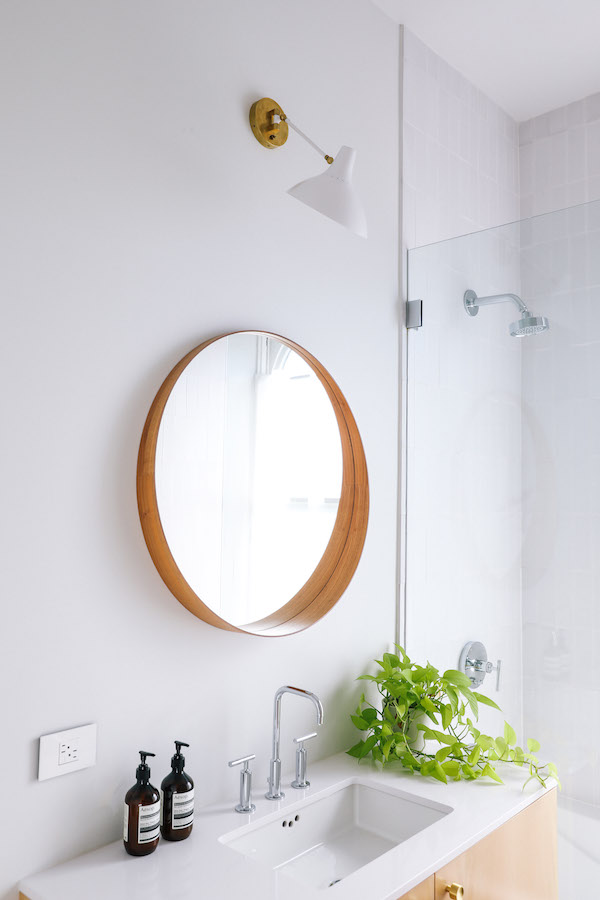
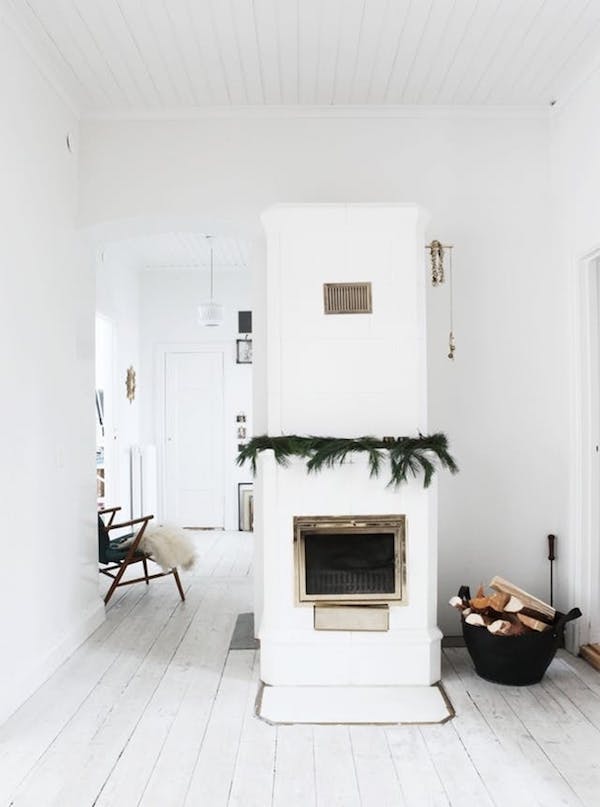
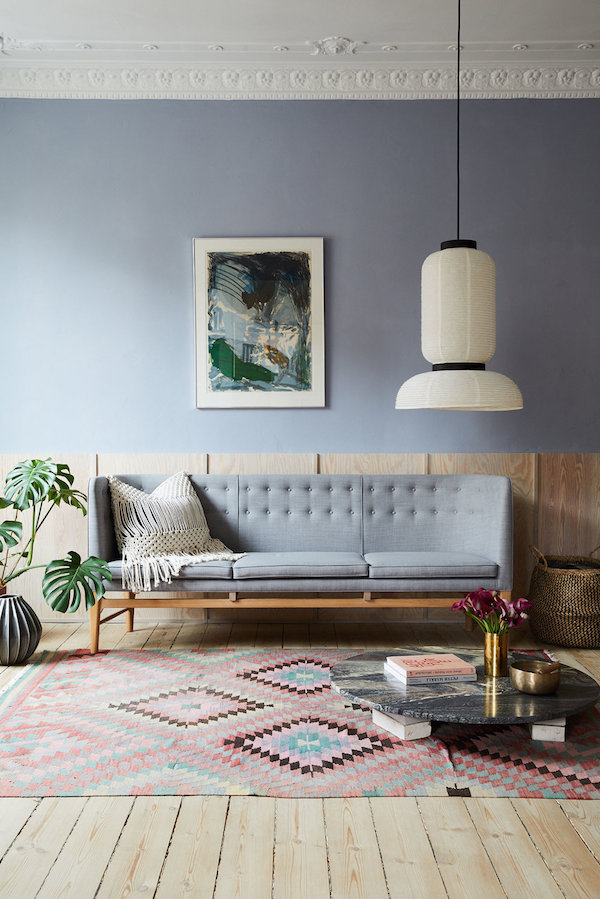
- Neutral surroundings amplify retro pieces. A Memphis-pattern rug in a white-walled room with plain furniture looks intentional. The same rug in an already-busy room just adds noise.
- Mix decades deliberately. A 1960s chair next to a 2026s minimal sofa creates visual tension that reads as designed. Mixing a 1960s chair with a 1980s lamp and a 1970s side table looks like a storage unit.
Retro pieces need modern breathing room to register as choices rather than clutter. For every vintage object you add, clear out at least twice as much surrounding visual noise.
This applies to color too. A mustard-yellow sofa works against a grey or white room. Put it in a room that already has terracotta walls and burnt-orange rugs and the effect collapses entirely. Restraint is the whole game.
Memphis Design: The Riskiest Retro Move With the Highest Ceiling
Memphis is the most polarizing design movement on this list. Founded by Ettore Sottsass in Milan in 1981, the Memphis Group explicitly rejected MCM’s functionalist principles. Bold colors, clashing patterns, deliberately wrong combinations — postmodern design as provocation. It was never meant to be comfortable to look at.
The revival is real. H&M Home’s 2026 collection included clear Memphis-influenced pieces. Urban Outfitters has been selling Memphis-pattern bedding for two years straight. The Kartell Componibili storage unit ($130–$180 per module), originally designed in 1969, has seen a significant sales increase partly because it reads Memphis-adjacent without full commitment to the aesthetic.
Elements That Translate Cleanly Into Modern Rooms
You do not need to commit to the full philosophy. What works in practice:
- Geometric patterns as accent textiles — a single throw pillow, one rug as the room’s focal point
- Primary and secondary colors in unexpected combinations (red and yellow, blue and orange)
- Asymmetric forms in decorative objects — lamps, vases, bookends that break the grid
- Terrazzo surfaces, which were Memphis-adjacent but have a cleaner, more neutral modern read
Terrazzo specifically has moved from niche Memphis reference into mainstream home goods. West Elm carries a terrazzo coffee table at $499. HAY sells terrazzo planters in the $35–$80 range. Mission Stone & Tile does terrazzo tile for countertop applications at $8–$15 per square foot installed. It is no longer a statement — it is just a texture people like.
The Memphis Mistake Everyone Makes
Going full Memphis in a space without the architecture to support it. The original Memphis pieces were photographed in stark white studios against minimal backdrops. That context is load-bearing. A heavily textured, crowded room has nowhere for Memphis patterns to land — they just add to the existing noise.
Pick one Memphis element per room. One loud rug. One statement lamp. One patterned accent wall. Not three. The constraint is not a creative limitation; it is what makes the choice land.
What You Actually Get at Each Price Point
| Price Range | Category | Example Products | Honest Verdict |
|---|---|---|---|
| Under $100 | Accents & Textiles | HAY terrazzo tray ($45–$65), Urban Outfitters Memphis throw pillow ($38) | Low risk, high impact. Start here before committing to anything larger. |
| $100–$500 | Accent Furniture | Kartell Componibili module ($130), IKEA RÅVAROR chair ($349) | Mixed. Kartell holds up well. Most IKEA MCM is overexposed at this point. |
| $500–$1,500 | Statement Furniture | West Elm Audrey Credenza ($899), CB2 Decker sofa ($1,299) | Fine for rentals or uncertain commitments. These pieces will not hold value. |
| $1,500–$5,000 | Investment Pieces | Floyd Platform Bed ($1,695), HAY Mags sofa (~$3,200) | Worth it only if you are committed to the aesthetic long-term. Not impulse buys. |
| $5,000+ | Heritage Originals | Herman Miller Eames Lounge ($5,695), vintage Knoll tulip table ($2,000–$4,000 used) | Best long-term value. Original beats reproduction decisively at this price point. |
Bottom Line: Spend under $100 to test whether a retro element actually works in your space before committing to anything expensive. Most people significantly overestimate how much retro furniture they want to live with on a daily basis.
The One Move That Ruins Every Retro Room
Over-theming. Commit too hard to a single decade and your home stops looking designed — it starts looking like a film set awaiting a crew. The most-admired interiors mix eras; they just do it with a clear point of view about which pieces anchor the space and which ones support it.
A close second: buying cheap reproductions of iconic designs. A $199 “Eames-inspired” lounge chair does not look like the original. It looks like a reminder that you did not want to spend $5,695 on the real thing. Better to spend $199 on something genuinely designed for that price point than on a poor copy of something several times more expensive.
Retro Tech as Home Decor: The Honest Assessment
Are Instant Cameras Worth Displaying?
The Polaroid Now Gen 2 (~$110) and Fujifilm Instax Mini 12 ($89) are both functional cameras with strong visual identities as objects. On a shelf, they read as personality rather than decoration — which is the correct use. The photos they produce are the more interesting story. A wall of Instax prints costs $0.50–$0.80 per shot with Mini film packs and creates a physical texture that no digital print replicates. This is not nostalgia for its own sake — the format produces an aesthetic that digital genuinely cannot match at any price.
What About Vintage Audio Equipment?
Vintage receivers and turntables occupy a strange space between function and decor. A restored 1970s Marantz 2270 receiver ($400–$700 on eBay depending on condition) sounds excellent and looks better on a shelf than any modern receiver at twice the price. The Audio-Technica AT-LP120X ($149) is the entry-level turntable most people start with — functional, not particularly beautiful, but a reasonable way to test whether you actually listen to records before spending more. The Pro-Ject Debut Carbon Evo ($499) is the first turntable that sounds noticeably better and has considered enough design to display without embarrassment.
If the goal is purely visual: the Crosley Cruiser Deluxe ($59) is a bad turntable that looks like a prop from a music video. Buy it only if audio quality genuinely does not matter to you.
Retro Appliances and the SMEG Question
The SMEG line ($150–$500 depending on the appliance) is the clearest example of retro tech as lifestyle object. A SMEG toaster makes identical toast to a $30 Black+Decker. What you are paying for is the 1950s Italian-inspired form factor. That is a legitimate purchase if kitchen aesthetics matter to you — but be honest about what the transaction actually is.
The KitchenAid Stand Mixer ($449–$649) occupies a different position: a genuinely excellent appliance with great visual design, essentially unchanged from its 1937 origins. The retro look here is not a marketing choice. It is just the original design, still in production because it never needed to change.
Design trends have always moved in reaction to what came before. MCM pushed back against Victorian excess. Memphis pushed back against MCM’s austerity. The current retro revival is partly a reaction against the cold grey minimalism that dominated interiors throughout the 2010s. Whatever comes next will react against this moment too — which means the most durable approach is always to pick pieces you would want to live with regardless of what is trending at the time you buy them.