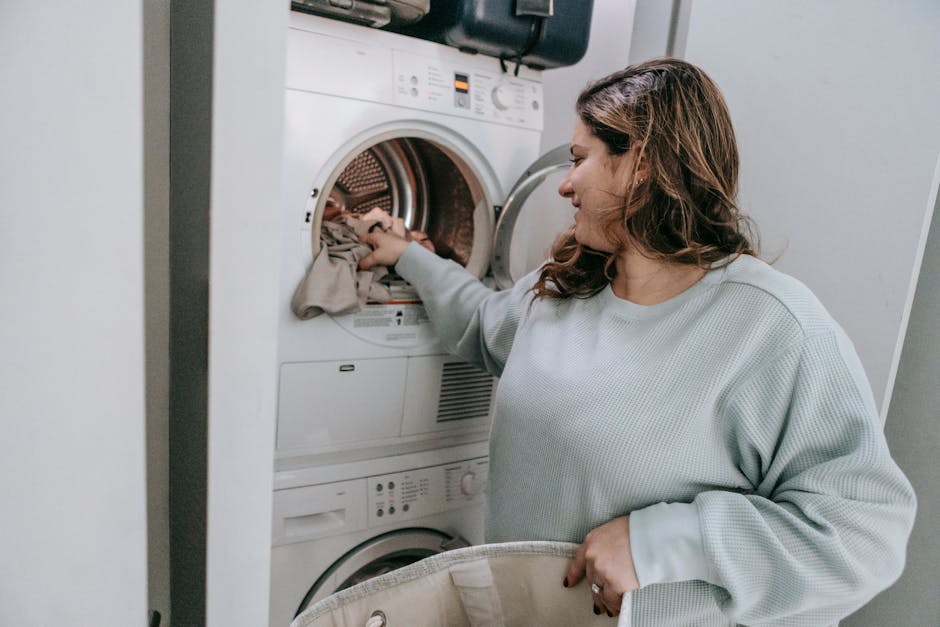
Your old washing machine just gave up, or maybe you’re finally moving into your own place. Suddenly, you’re faced with a dizzying array of choices. Front-load, top-load, semi-automatic, fully automatic, 5-star rating, 8kg capacity, smart features… it’s enough to make anyone want to hand-wash everything. How do you cut through the noise and figure out which washing machine is truly the best fit for your home and lifestyle?
It’s not just about cleaning clothes; it’s about efficiency, durability, and fitting into your daily routine. Making the wrong choice means frustration, wasted money, and clothes that just aren’t as clean as they should be. But don’t worry. I’ve spent a weekend digging into the details, comparing models, and understanding what really makes a difference. Let’s break it down so you can make an informed decision without feeling overwhelmed.
Understanding Washing Machine Types: Front Load vs. Top Load
This is usually the first big decision you’ll face. The fundamental difference lies in how clothes are loaded and how they’re washed. Each type has its staunch advocates and distinct advantages, along with some clear drawbacks. Knowing these differences is key to aligning a machine with your space, budget, and laundry habits.
Front-Load Washers: Pros and Cons
Front-load washing machines load clothes from the front, as the name suggests. They use a tumbling action to wash clothes, which means less water is needed compared to top-loaders. This tumbling action also tends to be gentler on clothes, which can extend the life of your garments. They typically offer more wash programs, higher spin speeds for better water extraction, and are generally more energy-efficient. Brands like Bosch, LG, and Samsung excel in this category, offering advanced features like steam wash and AI DD (direct drive) motors.
The downsides? Front-loaders often come with a higher initial price tag. They can also require more bending to load and unload clothes, though pedestals can mitigate this. Plus, once a cycle starts, adding forgotten clothes can be difficult or impossible on some models. Maintenance also needs attention; the rubber gasket around the door can accumulate mold if not wiped dry regularly, leading to unpleasant odors.
Top-Load Washers: Agitator vs. Impeller
Top-load washing machines open from the top, making them easier to load and unload without bending. They generally fall into two sub-categories based on their washing mechanism:
- Agitator models: These have a central pole (agitator) that twists back and forth, rubbing against clothes to dislodge dirt. They’re often seen as more traditional and robust for heavy-duty cleaning, but they can be rougher on delicate fabrics and use more water. Brands like Whirlpool and Godrej offer reliable agitator models.
- Impeller models (High-Efficiency or HE top-loaders): These don’t have a central agitator. Instead, they use a low-profile disc (impeller) at the bottom of the drum that rotates to create powerful currents, tumbling clothes in a small amount of water. They are gentler than agitator models, more water-efficient, and offer more drum space because there’s no central pole. Samsung and LG have strong offerings in this segment, often incorporating features like active water jets.
Top-loaders are usually more affordable than front-loaders, and you can easily pause a cycle to add clothes. However, they are typically less energy-efficient and might not clean as thoroughly as some high-end front-loaders, especially with heavily soiled items. The wash action, particularly with agitators, can also be harsher on clothes over time.
Essential Features to Prioritize in 2026

When you’re staring at spec sheets, certain features stand out as truly impactful. Don’t get distracted by every minor add-on; focus on these core elements that will affect your laundry experience daily.
1. Capacity & Drum Size
This is perhaps the most crucial factor after the machine type. Washing machine capacity is measured in kilograms (kg) and indicates the maximum dry weight of laundry it can handle. A common mistake is to buy a machine that’s too small, leading to multiple loads and wasted time, or too large, wasting water and electricity on small loads.
- For singles or couples: A 6-7 kg machine is usually sufficient.
- For families of 3-4: An 8 kg machine strikes a good balance.
- For large families (5+ members) or those who wash bulky items frequently: 9-10 kg or even 12 kg capacities are ideal.
Remember, an overloaded machine won’t clean effectively and puts undue stress on the motor.
2. Spin Speed (RPM)
Spin speed, measured in revolutions per minute (RPM), tells you how fast the drum spins during the final drain cycle. Higher RPMs mean more water is extracted from your clothes, leading to faster drying times. This is especially beneficial if you air-dry clothes or use a dryer less frequently.
- Basic machines: Often around 700-800 RPM.
- Standard models: Typically 1000-1200 RPM, which is excellent for most fabrics.
- High-end models: Can reach 1400-1600 RPM, leaving clothes nearly dry.
While faster spin speeds are great, they can also cause more vibration and noise, especially in lighter machines or on uneven floors. Consider your floor type and how much noise you can tolerate.
3. Energy Efficiency Ratings (BEE Star Ratings)
In India, the Bureau of Energy Efficiency (BEE) assigns star ratings to appliances, with 5 stars being the most energy-efficient. A higher star rating means lower electricity consumption over time, translating to savings on your utility bills. While a 5-star machine might have a slightly higher upfront cost, the long-term savings often make it a worthwhile investment. This is particularly relevant for fully automatic machines that run multiple cycles a week.
4. Wash Programs & Smart Features
Modern washing machines come with a plethora of wash programs tailored for different fabric types (delicate, cotton, wool, synthetics) and soil levels (heavy, quick wash). Look for programs that match your typical laundry needs. Beyond the basics, some premium machines offer:
- Steam Wash: Helps sanitize clothes, remove allergens, and reduce wrinkles.
- Inverter Technology: Motors that adjust power consumption based on the load, leading to quieter operation and better energy efficiency.
- Smart Connectivity (Wi-Fi): Allows you to control the machine via an app, download new wash cycles, and diagnose issues remotely. Brands like LG and Samsung are leaders in this space.
- Auto-Dosing: Automatically dispenses the correct amount of detergent for each load, preventing overuse and residue.
These features add convenience and can improve wash quality, but assess whether you’ll genuinely use them to justify the extra cost.
Top Washing Machine Models for Different Budgets
Finding the right machine means balancing features with what you’re willing to spend. Here’s a look at some excellent options across different price points, keeping in mind that prices fluctuate and these are approximate as of 2026.
| Category | Recommended Model | Key Features | Approx. Price (₹) | Target User |
|---|---|---|---|---|
| Budget-Friendly (Under ₹25,000) | Whirlpool 7 kg 5 Star Royal Plus Top Load | 5-star BEE rating, ZPF technology (fills tub 50% faster even with low pressure), Hard Water Wash, up to 740 RPM spin. | ₹17,000 – ₹20,000 | Small families, budget-conscious, those needing quick water fill. |
| LG 6.5 kg 5 Star Smart Inverter Top Load | Smart Inverter Motor, TurboDrum, Smart Diagnosis, Child Lock, 700 RPM. | ₹17,500 – ₹21,000 | Couples/small families, looking for basic smart features & energy efficiency. | |
| Mid-Range (₹25,000 – ₹45,000) | Samsung 8 kg 5 Star Eco Bubble Front Load | Eco Bubble Technology for powerful cleaning, Digital Inverter Motor, Hygiene Steam, Diamond Drum, 1400 RPM. | ₹32,000 – ₹38,000 | Mid-sized families, value energy efficiency, gentle wash, faster drying. |
| Bosch 7 kg 5 Star Inverter Front Load | EcoSilence Drive (quiet & durable), AntiVibration Design, ActiveWater Plus, Reload function, 1200 RPM. | ₹30,000 – ₹35,000 | Families prioritizing quiet operation, durability, and a reliable German brand. | |
| Premium & Feature-Rich (Above ₹45,000) | LG 9 kg 5 Star Wi-Fi Inverter Front Load with AI DD | AI DD Motor (optimizes wash based on fabric), Wi-Fi control, Steam+ for allergens, 1400 RPM, less noise. | ₹48,000 – ₹55,000 | Large families, tech enthusiasts, those with specific hygiene needs, smart home integration. |
| IFB Executive Plus VX 8.5 kg Front Load | Aqua Energie filter, O2 Wash (built-in heater for deep cleaning), Cradle Wash (delicate fabrics), 1400 RPM. | ₹46,000 – ₹52,000 | Families needing advanced wash programs, specific care for delicates, and thorough cleaning. |
These models represent strong contenders in their respective categories. Always check current prices and retailer offers, as they can vary significantly.
Durability and After-Sales Service: What Really Matters?
A washing machine is a significant investment. You want it to last, and you want support when things go wrong. Don’t overlook the importance of a brand’s reputation for reliability and its after-sales service network.
Which brands offer the best warranty?
Most washing machines come with a standard 1-2 year warranty on the entire product. However, many brands offer extended warranties on specific components, particularly the motor. For instance, LG often provides a 10-year warranty on its Inverter Direct Drive motor, and Samsung offers similar long warranties on its Digital Inverter motors. Bosch also stands out for its robust build quality and usually offers good warranty terms on its EcoSilence Drive motors. Always check the fine print for what’s covered and for how long. A longer motor warranty indicates the manufacturer’s confidence in their core technology.
How important is a service network?
Extremely important. Even the best machines can have issues. A widespread and responsive service network means faster repairs and less downtime for your laundry. Brands like LG, Samsung, and Whirlpool typically have extensive service networks across India, making it easier to find authorized technicians and genuine spare parts. Smaller or newer brands might offer competitive pricing, but their service reach could be limited, potentially leading to long waits for repairs. Before buying, a quick search for local service centers and reviews of a brand’s service in your area can save you a lot of future headaches.
Are extended warranties worth it?
This is a common dilemma. Extended warranties, often offered by retailers or third-party providers, prolong the coverage beyond the manufacturer’s warranty. For appliances like washing machines, which have several moving parts and complex electronics, an extended warranty can be a good idea, especially if you opt for a high-end model with expensive components. Consider the cost of the extended warranty versus the potential repair costs of major components like the motor or control board. If the extended warranty is a small percentage of the appliance’s cost and covers major parts, it often provides peace of mind. However, always read the terms carefully to understand what’s covered and what’s excluded.
My Top Picks for Specific Needs
Choosing the ‘best’ washing machine is subjective; it truly depends on your specific situation. Here are my clear recommendations for common use cases.
Best for Large Families
For a large family (5+ members) that generates a lot of laundry, often including bulky items like bedsheets and blankets, you need capacity and power. My top recommendation here is the LG 9 kg 5 Star Wi-Fi Inverter Front Load with AI DD (around ₹48,000 – ₹55,000). Its 9kg capacity handles big loads easily, the AI DD motor protects fabrics, and the Steam+ feature is excellent for sanitizing clothes, which is crucial with active families. The Wi-Fi connectivity also means you can start a load remotely, which is a lifesaver when you’re juggling multiple tasks.
Best for Small Apartments
Space is a premium in small apartments. You need a compact machine that’s efficient and doesn’t compromise too much on performance. For this, I recommend the Bosch 7 kg 5 Star Inverter Front Load (around ₹30,000 – ₹35,000). Bosch machines are known for their quiet operation and AntiVibration Design, which is perfect for shared walls. The 7kg capacity is ample for singles or couples, and the German engineering promises durability in a smaller footprint. Its front-load design also allows for stacking a dryer on top if you have the need and space.
Best for Energy Savings
If your priority is keeping electricity bills low without sacrificing wash quality, a 5-star rated front-load machine with inverter technology is the way to go. The Samsung 8 kg 5 Star Eco Bubble Front Load (around ₹32,000 – ₹38,000) is an excellent choice. Its Eco Bubble Technology ensures effective cleaning even in cold water, further reducing energy consumption from heating. The Digital Inverter Motor is both efficient and quiet, and the 5-star BEE rating guarantees long-term savings. It strikes a great balance between capacity, features, and unparalleled energy efficiency.
The Quick Verdict: Which Machine Should You Buy?
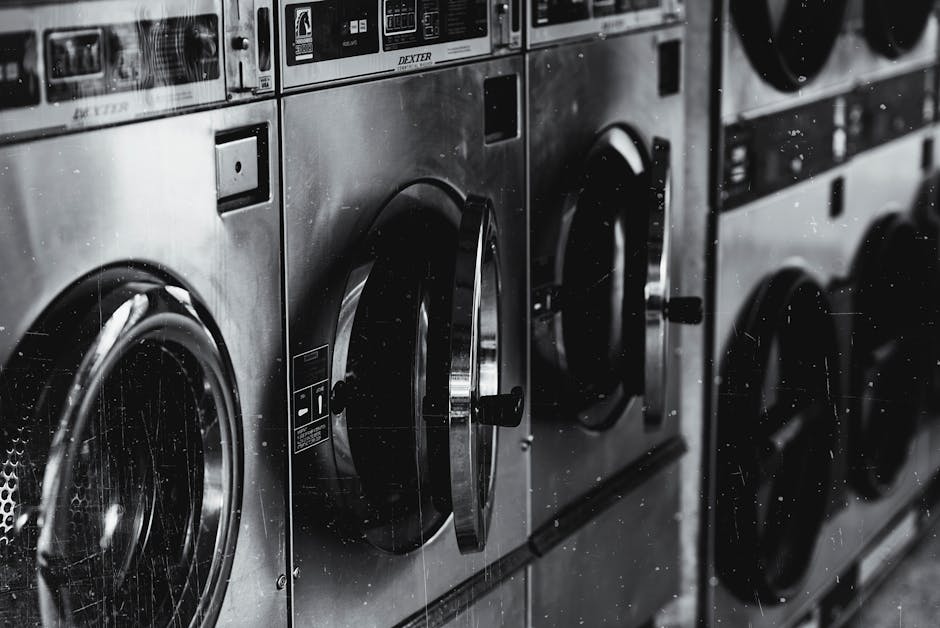
So, your old machine died, and you’re still looking at a pile of choices. The simplest way to decide is to prioritize your needs: front-load for efficiency and gentle care, top-load for convenience and budget-friendliness. If your budget allows and you value superior wash quality and energy savings, a 5-star front-load inverter machine from brands like LG, Samsung, or Bosch is often the best investment. But if ease of use and a lower upfront cost are key, a 5-star impeller top-loader from Whirlpool or LG will serve you well. Pick one that genuinely fits your family’s size, laundry habits, and financial comfort. You’ll be glad you did.